
Mariscus dubius
Mariscus dubius
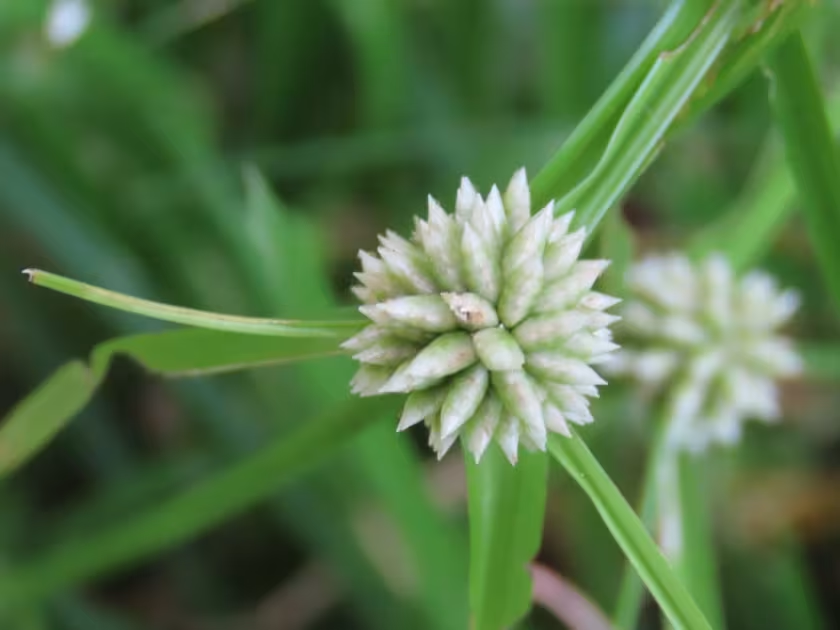
Description
Growing requirements
Mariscus dubius is a perennial herb belonging to the Cyperaceae family. It is recognized for its robust root system and ability to establish itself in various ecological niches, particularly in subtropical climates.
The plant thrives in moist, well-drained soils. While it exhibits some tolerance to saturated conditions, it prefers soils with adequate aeration to prevent the stagnation of water around the root zone.
Regarding light exposure, this crop requires full sun to maintain optimal photosynthetic rates. Insufficient light leads to stunted growth and reduces the overall vigor of the plant, affecting its yield potential.
Climatic requirements are focused on warm, frost-free environments. The plant is sensitive to cold temperatures, which can severely damage its foliage and limit its growth cycle in colder regions.
Soil nutrient management is crucial for the successful cultivation of Mariscus dubius. Fertilization programs should prioritize balanced levels of nitrogen and micronutrients to support rapid biomass accumulation.
Main diseases and pests
The primary threats to Mariscus dubius include fungal infections that manifest as leaf blight. Effective management involves maintaining strict hygiene on the farm and ensuring proper plant spacing for airflow.
Insect pests such as aphids and mites often target the plant during periods of moisture stress. Integrated pest management practices are essential to keep populations below the economic injury level.
Root-knot nematodes can significantly impact the health of the crop, necessitating the use of crop rotation cycles to disrupt the life cycle of these soil-borne pathogens.
Environmental stressors like high heat coupled with humidity can create conditions favorable for the spread of bacterial leaf spots. Monitoring symptoms in the early stages is vital for containment.
Weed competition is a constant threat during the establishment phase. Utilizing mulching techniques can help reduce weed pressure and conserve soil moisture for the crop's development.