

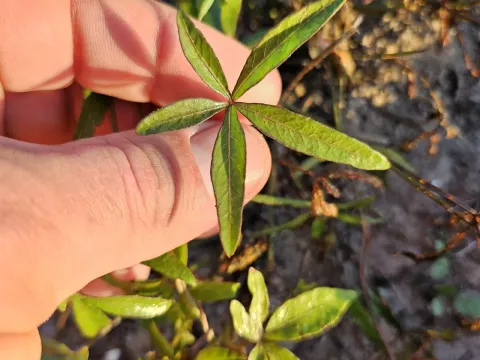
Reference · Crops
Ipomoea
Ipomoea L.
Ipomoea seeds are typically sown directly into the soil once the danger of spring frost has completely passed and the ground has warmed up sufficiently.
17
items
What the section contains
 Cairo morning glory
Ipomoea cairica (L.) Sweet
Cairo morning glory
Ipomoea cairica (L.) Sweet
 Cypress vine
Ipomoea quamoclit L.
Cypress vine
Ipomoea quamoclit L.
 Ipomoea carnea
 Jacq.
Ipomoea carnea
Ipomoea carnea Jacq.
 Ipomoea carnea
 Jacq. subsp. fistulosa (Mart. ex Choisy) D. F. Austin
Ipomoea carnea
Ipomoea carnea Jacq. subsp. fistulosa (Mart. ex Choisy) D. F. Austin
 Ipomoea indica
 (Burm.) Merr.
Ipomoea indica
Ipomoea indica (Burm.) Merr.
 Ipomoea marginata
 (Desr.) Verdc.
Ipomoea marginata
Ipomoea marginata (Desr.) Verdc.
 Ipomoea nil
 (L.) Roth
Ipomoea nil
Ipomoea nil (L.) Roth
 Ipomoea pes-tigridis
 L.
Ipomoea pes-tigridis
Ipomoea pes-tigridis L.
 Ipomoea plebeia
 R. Br.
Ipomoea plebeia
Ipomoea plebeia R. Br.
 Ipomoea purga
 (Wender.) Hayne
Ipomoea purga
Ipomoea purga (Wender.) Hayne
 Ipomoea tricolor
 Cav.
Ipomoea tricolor
Ipomoea tricolor Cav.
 Little bell
Ipomoea triloba L.
Little bell
Ipomoea triloba L.
 Moonflower
Ipomoea alba L.
Moonflower
Ipomoea alba L.
 Morning glory
Ipomoea purpurea (L.) Roth
Morning glory
Ipomoea purpurea (L.) Roth
 Sweet potato
Ipomoea batatas (L.) Lam.
Sweet potato
Ipomoea batatas (L.) Lam. var. batatas
Sweet potato
Ipomoea batatas (L.) Lam.
Sweet potato
Ipomoea batatas (L.) Lam. var. batatas
 Water spinach
Ipomoea aquatica Forssk.
Water spinach
Ipomoea aquatica Forssk.
Marketplace
Products in this section · 7


Ipomoea
For regions with a shorter growing season, gardeners often use the seedling method, starting seeds indoors in biodegradable pots about a month before transplanting.
The seeds have a hard outer seed coat, so soaking them in warm water for several hours prior to planting is a standard practice to improve germination rates.
When planting, ensure a proper spacing of at least 25-30 centimeters between individual plants to allow for necessary air circulation as the vines grow.
Transplanting seedlings should be done with extreme care to maintain the integrity of the root ball, as the plants are notoriously sensitive to root disturbance.
Ipomoea belongs to the Convolvulaceae family and consists of various vine species that thrive in warm, tropical, and subtropical climates around the world.
The crop requires full sun exposure to produce vibrant flowers and maintain healthy foliage, making it unsuitable for shaded or dark locations in the garden.
Well-draining, moderately fertile soil is ideal for this culture, as constant moisture retention at the root zone can be detrimental to the plant's health.
As a climbing plant, Ipomoea necessitates a sturdy support system such as trellises, fences, or wires to facilitate its natural upward climbing habit.
Regular fertilization with balanced nutrients is recommended during the vegetative stage, though reducing nitrogen as the flowering season approaches is advised.
Common pests that affect Ipomoea include aphids and spider mites, which typically thrive during hot and dry weather conditions, damaging the leaf tissue.
Fungal diseases, including various types of leaf spots and root rots, are often a consequence of poor drainage or overcrowding in the planting area.
Integrated pest management, including the use of targeted insecticides, is the most effective way to control insect infestations without harming beneficial insects.
Preventative measures for diseases include ensuring adequate space between vines and avoiding overhead watering, which keeps the foliage dry and healthy.
In cases of severe viral infection, where leaves exhibit mottled patterns, affected plants should be removed and disposed of to prevent further spread.