
Ipomoea marginata
Ipomoea marginata (Desr.) Verdc.
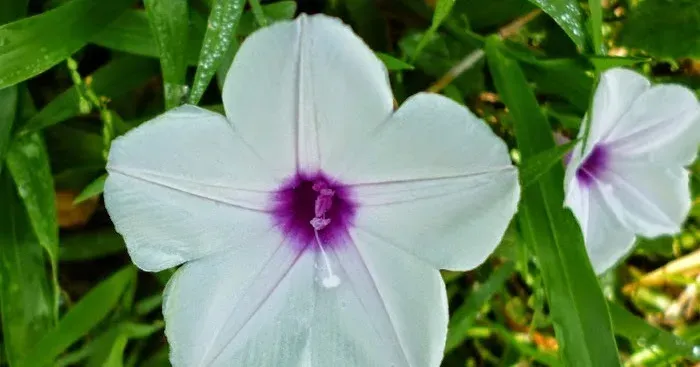
Description
Sowing dates
Sowing Ipomoea marginata seeds should be done in late spring once the soil temperature is warm enough, generally above 15 degrees Celsius for optimal germination.
If starting seeds indoors, use peat pots to prevent root disturbance, as this species is sensitive to transplanting and may suffer stunted growth if roots are damaged.
Direct sowing into the soil requires planting seeds at a depth of 1-2 centimeters, ensuring a consistent moisture level throughout the germination process.
Soaking the seeds in warm water for several hours prior to planting is a recommended practice to soften the seed coat and encourage faster sprouting.
Space the seeds or seedlings about 20-30 centimeters apart to allow enough room for the vines to spread and climb their intended structures effectively.
Growing requirements
Ipomoea marginata, a member of the Convolvulaceae family, thrives in sunny locations that provide full exposure to light, essential for its vigorous growth.
The ideal soil for this species is fertile, well-draining, and rich in organic matter; sandy or loamy soils are preferred over dense, heavy clay substrates.
Providing sturdy vertical supports like trellises or netting is a mandatory agrotechnical requirement to guide the climbing habit of this plant species.
Regular watering is necessary during dry spells to maintain soil moisture, but it is critical to ensure that drainage is adequate to prevent root rot issues.
Fertilizing with a balanced, low-nitrogen nutrient mix during the peak growing season will support healthy leaf production and sustained flower formation.
Main diseases and pests
The primary pests affecting Ipomoea marginata include spider mites and aphids, which often thrive during periods of high heat and low atmospheric humidity.
Fungal issues like powdery mildew can arise if the plants are situated in areas with poor air circulation or if there is excessive overhead moisture.
Integrated pest management, including regular inspection of the foliage and the use of insecticidal soaps, is effective in controlling common garden infestations.
Root rot caused by over-irrigation or waterlogged soil is a significant threat that requires strict adherence to proper watering schedules to manage effectively.
Removing dead or decaying plant material helps maintain a clean environment, reducing the risk of disease transmission among the climbing vine population.