
Water spinach
Ipomoea aquatica Forssk.
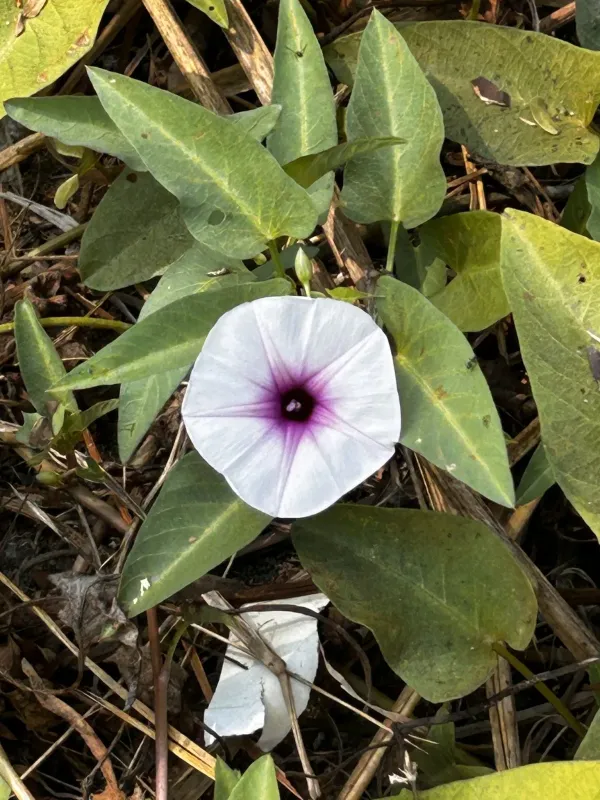
Description
Sowing dates
Water spinach (Ipomoea aquatica) belongs to the Convolvulaceae family. It is a semi-aquatic perennial plant, widely cultivated as an annual vegetable crop in many parts of the world.
The seeds are typically sown in a greenhouse or nursery beds before the frost-free season, as the plant requires significant warmth to germinate effectively.
For direct seeding in tropical regions, soil temperatures must remain consistently above 18 degrees Celsius. Soaking seeds for up to 24 hours can significantly improve germination rates.
Spacing between plants is crucial for healthy development; usually, seedlings are planted 30 to 40 centimeters apart to allow for lateral growth and airflow.
The plant demonstrates rapid vegetative growth, and under optimal warm conditions, the seedlings establish themselves quickly, covering the growing area within a few weeks.
Growing requirements
This crop is highly sensitive to cold and thrives only in hot, humid climates. It does not tolerate frost and will stop growing if temperatures drop below 15 degrees Celsius.
Water spinach requires abundant water supply. It can be grown in standard moist soil, but the highest yields are achieved in aquatic conditions, such as paddies or hydroponic systems.
Fertile soil rich in organic matter is preferred. The crop performs best in a pH range of 5.5 to 7.0, showing a high degree of adaptability to different types of moist substrates.
Full sunlight is essential for maintaining robust stems and leaves. Shade results in elongated stems with lower nutrient density and reduced overall plant vitality.
Water quality is of paramount importance because the plant is a hyperaccumulator and can absorb heavy metals and pollutants from the water source.
Yield
Water spinach is known for its exceptional productivity. The ability to harvest continuously throughout the growing season makes it a very efficient crop for intensive farming.
The first harvest usually occurs 30 to 45 days after planting. Regular pruning of the stems encourages the plant to produce more side shoots, significantly increasing total output.
Used primarily as a leafy vegetable, it is highly valued for its nutritional profile. In commercial operations, high-density planting combined with fertilization leads to high yields.
Annual production per hectare can reach 20 to 30 tons depending on the method of cultivation and the frequency of harvests performed throughout the year.
In well-managed systems, plants can be harvested every 7 to 10 days, provided that the nutrient levels and moisture are consistently maintained.
Main diseases and pests
Common pests include aphids, spider mites, and various types of leaf-eating caterpillars that can quickly defoliate the plants if left unchecked during the growing season.
Fungal diseases like white rust and powdery mildew are significant threats, especially in areas with poor ventilation or during periods of high humidity.
Root rot and fusarium wilt may occur when the water becomes stagnant or if the soil drainage is inadequate, leading to plant collapse and reduced yield quality.
Integrated pest management, including biological controls and proper site sanitation, is the recommended strategy for maintaining a healthy and productive crop.
- Use of organic-certified pesticides when necessary.
- Removing debris to prevent fungal growth.
- Ensuring proper water circulation in hydroponic setups.
Harvesting
Harvesting is performed by manually cutting young, tender stems 20 to 30 centimeters in length. The harvest should occur before the plants start producing flowers.
Early morning harvests are preferred to ensure the plant tissue is hydrated and crisp, which improves the aesthetic quality and shelf life of the product.
The stems are typically bundled, washed to remove soil particles, and kept cool to prevent wilting. Post-harvest handling is critical for market success.
Storage should be at temperatures between 2 and 5 degrees Celsius. However, water spinach is highly perishable and should reach the market within a few days of harvesting.
Proper post-harvest management involves keeping the leaves moist and protected from direct sunlight to preserve their flavor and nutritional integrity.