
Cypress vine
Ipomoea quamoclit L.
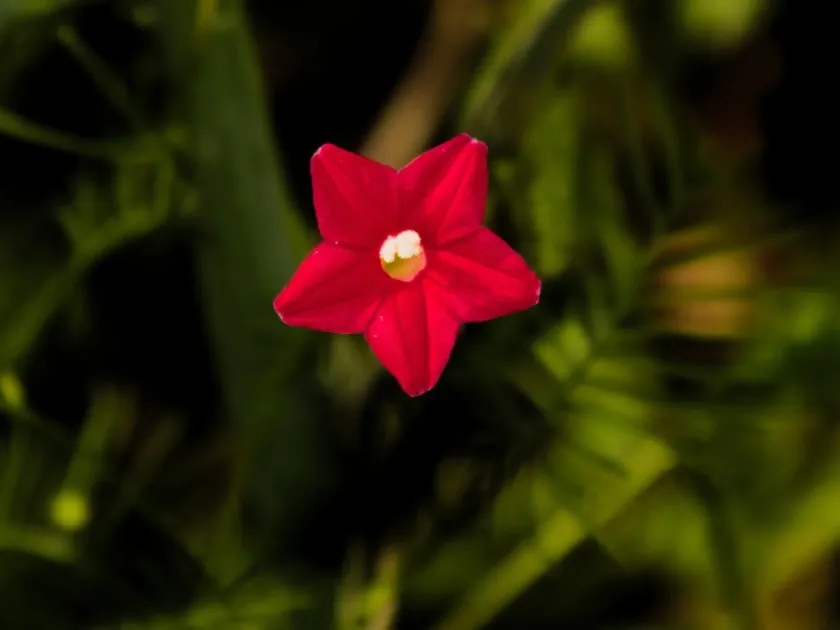
Description
Sowing dates
Cypress vine is a tropical annual that requires warm temperatures for germination and growth. Seeds should be sown directly outdoors only after the soil has warmed up and all danger of frost has completely passed.
In regions with shorter growing seasons, starting seeds indoors 4–6 weeks before the last frost date is highly recommended. Using peat pots is ideal because this plant resents root disturbance and transplant shock.
The seeds have a hard seed coat, so soaking them in warm water for 24 hours prior to planting is a standard practice to improve germination rates. Scarifying the seed coat lightly can also help water absorption.
When planting, place seeds about 1/4 to 1/2 inch deep in high-quality potting soil. Maintain a consistent temperature of around 70°F (21°C) to ensure that seedlings emerge within one to two weeks.
Once the seedlings have several sets of true leaves, they can be hardened off and moved to their permanent outdoor location. Space plants 8–12 inches apart to allow for proper airflow and development.
Growing requirements
Ipomoea quamoclit, commonly known as the Cypress vine, is a member of the Convolvulaceae family. It is prized for its delicate, fern-like foliage and vibrant, star-shaped trumpet flowers that attract hummingbirds.
This plant thrives in full sun, requiring at least six to eight hours of direct sunlight daily to produce a dense canopy and prolific blooms. In partial shade, the plant will become leggy and produce fewer flowers.
Well-drained, fertile soil is essential for success. While it is adaptable to various soil types, it prefers a neutral to slightly acidic pH and should be kept consistently moist but never waterlogged to avoid root rot.
As a climbing vine, it requires a support system such as a trellis, wire fence, or netting. It can reach heights of 10 to 15 feet in a single season, making it an excellent choice for vertical garden screens.
Regular maintenance includes consistent watering during dry spells. Although it can tolerate short periods of drought once established, regular irrigation ensures the best visual appeal and sustained growth throughout the summer.
Main diseases and pests
Spider mites are the most common pest, especially in hot and dry climates. They feed on the underside of the leaves, causing them to yellow and drop prematurely. Regular misting can help deter these pests.
Aphids can also colonize the new growth and flower buds. Infestations lead to stunted growth and deformed flowers. Integrated pest management, including horticultural soaps or natural predators, is usually effective.
Fungal issues such as root rot can occur if the soil remains excessively damp or if there is poor air circulation. Proper spacing and avoiding overhead watering during humid evenings are key preventive measures.
Viral diseases can occasionally affect the foliage, causing mottling or distortion. Since these cannot be cured, prevention through the control of sucking insects that act as vectors is the best strategy.
To keep the plants vigorous, avoid excessive nitrogen fertilization, which encourages leaf growth at the expense of flower production. Use a balanced fertilizer to support overall plant health and bloom production.