
Ipomoea pes-tigridis
Ipomoea pes-tigridis L.
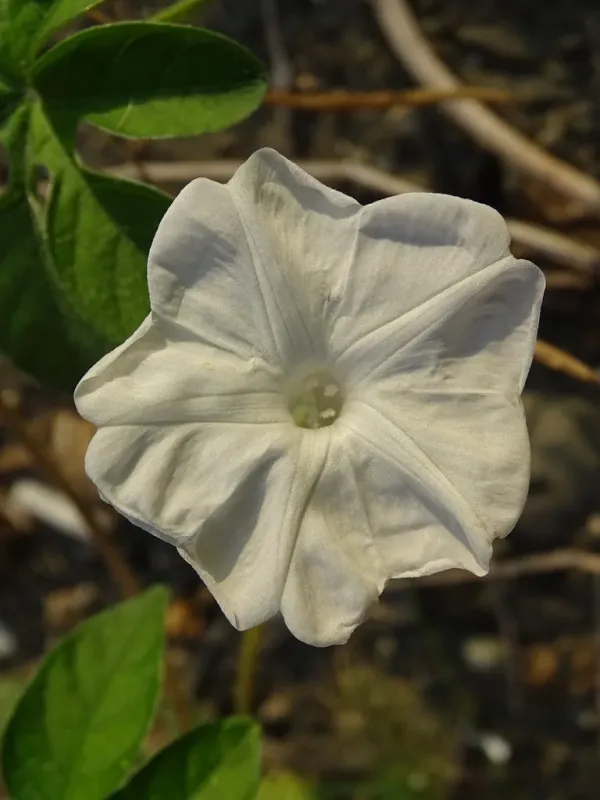
Description
Sowing dates
Ipomoea pes-tigridis, commonly known as the tiger footprint morning glory, is an annual climbing herb belonging to the Convolvulaceae family. In its native tropical habitats, sowing is typically synchronized with the onset of the monsoon season to utilize natural rainfall.
In regions with distinct seasonal changes, seeds should be sown when soil temperatures consistently reach at least 20 degrees Celsius. This ensures rapid germination and a strong start for the plant's aggressive vegetative growth phase.
Seeds should be planted at a shallow depth of 1 to 2 centimeters. Because the seeds are small, they require consistent moisture to break dormancy; however, overly saturated or waterlogged soil can lead to seed rotting before emergence.
When cultivating for mass ground cover or vertical trellis growth, spacing should be adjusted to allow sufficient airflow. Typically, keeping a distance of 30–40 centimeters between individual plants is optimal for balanced development.
Choosing a site with full, direct sun exposure is non-negotiable for this species. Without adequate light intensity, the plant struggles to produce its characteristic flower clusters and may exhibit thin, etiolated stem growth.
Growing requirements
As a heat-loving plant, Ipomoea pes-tigridis thrives in tropical and subtropical environments. It lacks frost tolerance, making it an annual in cooler climates where it is valued for its rapid growth and aesthetic appeal during the warmer summer months.
The ideal soil profile for this species consists of well-drained, fertile sandy or loamy textures. High organic matter content encourages vigorous growth, but the primary requirement remains excellent drainage to prevent root hypoxia.
Regular irrigation is necessary to support the plant's rapid metabolic rates, especially during high-temperature periods. While the plant possesses a moderate degree of drought resilience, sustained dryness will limit flower production and overall foliage health.
Soil nutrient management should focus on balanced inputs. It is advisable to minimize nitrogen applications once the plant reaches the budding stage, as excessive nitrogen can prioritize foliage development at the expense of floral initiation.
- Optimal growth temperature: 24–32 degrees Celsius.
- Light requirement: High, full solar radiation preferred.
- Soil preference: Loamy, well-aerated, non-saline soils.
Yield
While often treated as an ornamental or a weed in certain agro-ecosystems, Ipomoea pes-tigridis has historical usage as a medicinal herb. The leaves and seeds contain bioactive compounds, making the harvesting of biomass a focus for some niche botanical producers.
The yield of green biomass depends significantly on the availability of supports for the vines. Vertical trellis systems can significantly increase the total leaf surface area compared to prostrate ground-level cultivation.
Harvesting for botanical purposes is best done before the plant reaches full senescence. Drying the foliage properly is critical to preserving the concentration of secondary metabolites, which are essential for its traditional medicinal applications.
In optimal conditions, the plant displays high reproductive capacity, producing large amounts of seed. This rapid propagation cycle allows for multiple harvest windows throughout the growing season in frost-free tropical zones.
Effective management requires balancing the plant's invasive potential with its productive goals. Proper scheduling of the harvest helps to manage the seed bank in the soil and prevents unwanted spread to surrounding fields.
Main diseases and pests
Common pests affecting Ipomoea pes-tigridis include aphids and spider mites, which thrive under hot and dry conditions. These pests typically congregate on the undersides of leaves and at the growing tips, causing distortion and stunted growth.
Fungal pathogens such as powdery mildew represent the most significant threat to plant health, especially in conditions characterized by high humidity and stagnant air. These conditions weaken the plant and diminish its decorative value.
Integrated pest management strategies should include regular monitoring of foliage for early signs of infestation. Using eco-friendly horticultural soaps or neem oil is often sufficient to keep these populations below the economic injury level.
Good cultural practices, such as ensuring adequate plant spacing and removing crop debris, are essential to minimize the inoculum pressure of soil-borne diseases. Avoiding overhead watering in the evenings can also help reduce the risk of foliar fungal infections.
By maintaining a healthy, well-nourished plant, growers can increase the natural resistance of the crop to these typical pests and diseases, ensuring a successful season and high-quality harvest of the botanical materials.