
Ipomoea indica
Ipomoea indica (Burm.) Merr.
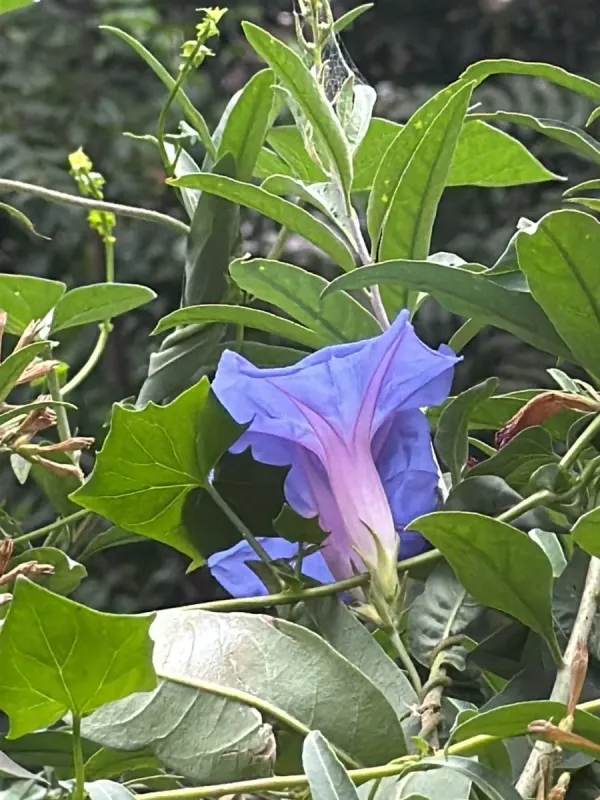
Description
Growing requirements
Ipomoea indica, commonly known as the blue dawn flower, is a perennial evergreen vine belonging to the Convolvulaceae family. Native to tropical regions of the Americas, this species is highly valued for its aggressive growth and vibrant, funnel-shaped flowers.
The plant thrives in full sun exposure, which is critical for maximizing flower production and maintaining a robust, healthy vine structure. It is sensitive to frost and requires frost-free climates for year-round outdoor cultivation.
Optimal growth occurs in well-draining, nutrient-rich soils with a slightly acidic to neutral pH level. While the species is somewhat drought-tolerant once established, consistent moisture during the peak growing season enhances its vigor.
In terms of agricultural and horticultural management, structural supports such as fences, trellises, or pergolas are necessary to accommodate the rapid vertical expansion of the plant. Pruning is often required to keep the plant within designated boundaries.
Propagation is primarily achieved through stem cuttings or seeds. In temperate regions, the plant is typically grown as an annual, as its tropical nature precludes survival during harsh, cold winters without significant protection.
Main diseases and pests
Common pests affecting Ipomoea indica include aphids and spider mites, which can cause significant foliar damage during dry, warm weather conditions. Integrated pest management strategies should be employed to mitigate these populations.
Fungal pathogens such as powdery mildew can thrive in high humidity environments with poor airflow. Maintaining proper plant spacing is an essential cultural practice to reduce the incidence of such diseases.
Root rot, often caused by overwatering or poorly drained media, remains a major threat to the plant's health. Improving soil structure and regulating irrigation schedules are critical preventative measures.
Whiteflies can also infest the plants, particularly in greenhouse or sheltered conditions, leading to stunted growth. Systematic monitoring and the use of insecticidal soaps are recommended for control.
Viral infections can cause leaf mosaic and color break in flowers, which are irreversible. Removing and destroying affected plant material is the standard protocol to prevent the spread to healthy vines.