
Coral begonia
Begonia corallina
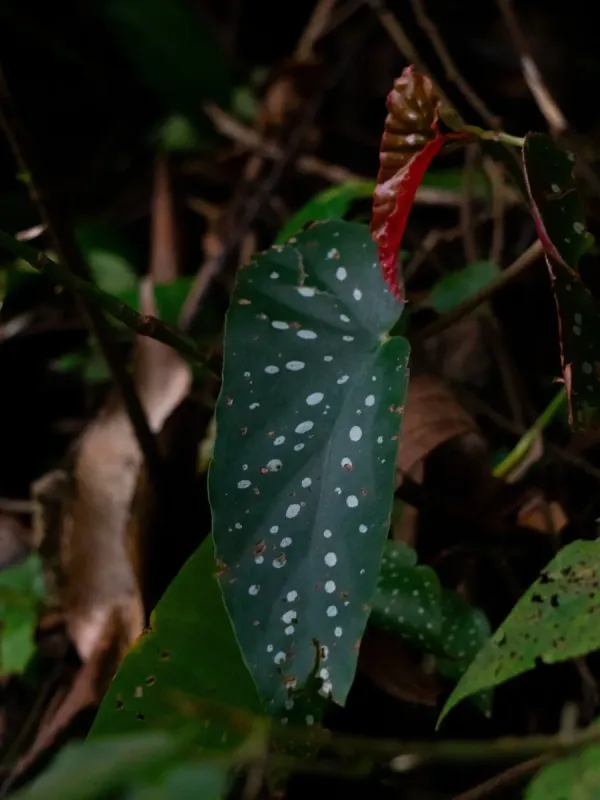
Description
Growing requirements
Coral begonia (Begonia corallina) is a member of the Begoniaceae family originating from the tropical rainforests of Brazil. It is widely grown as an ornamental plant due to its unique cane-like stems and attractive spotted leaves.
The plant thrives in temperatures between 18°C and 24°C. It is sensitive to sudden temperature fluctuations and cold drafts, which can cause leaf drop and stunt the overall development of the plant.
A well-draining, nutrient-rich soil mix is crucial for healthy growth. A combination of peat moss, perlite, and organic compost provides the aeration and moisture retention that the root system requires.
Bright, indirect light is essential for the plant to maintain its vibrant leaf variegation. While it enjoys sunlight, direct exposure in the afternoon can lead to leaf scorch and tissue damage.
Regular maintenance includes consistent watering when the top inch of soil feels dry. During the active growing season, applying a balanced liquid fertilizer every two weeks promotes vigorous stem extension.
Main diseases and pests
Powdery mildew is a common fungal issue that affects Begonia corallina, particularly when air circulation is poor and humidity levels remain excessively high in the growing environment.
Root rot caused by overwatering is a significant threat. If the soil remains saturated for long periods, the roots lose their ability to absorb nutrients, eventually leading to the death of the plant.
Spider mites are frequently encountered pests that thrive in dry indoor conditions. They feed on the underside of leaves, causing a stippled appearance and eventual yellowing of the foliage.
Mealybugs can infest the nodes of the stems and the undersides of leaves, leaving behind a sticky residue. These pests weaken the plant by sucking sap and must be removed promptly upon detection.
Effective management strategies involve monitoring the plants closely, maintaining proper humidity levels, and isolating affected specimens to prevent the spread of pests and fungal pathogens.