
Sweet potato
Ipomoea batatas (L.) Lam. var. batatas
Description
Sowing dates
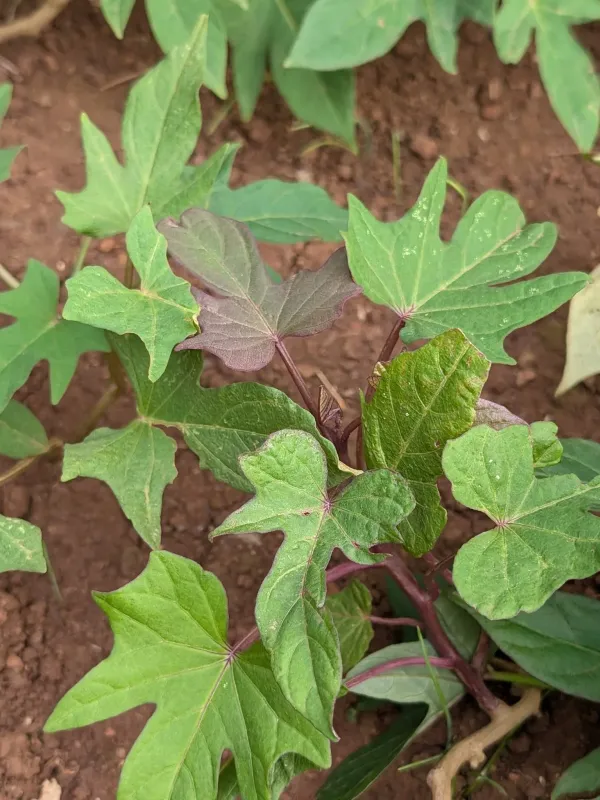
Sweet potato (Ipomoea batatas) is a perennial herbaceous vine belonging to the Convolvulaceae family. It is typically grown as an annual crop in agricultural systems due to its sensitivity to cold temperatures.
Propagation is primarily vegetative, using "slips" or rooted cuttings produced from healthy parent tubers. This method ensures genetic uniformity and maintains the characteristics of the cultivar.
The propagation process begins 6 to 8 weeks before the intended transplanting date. Tubers are placed in warm, moist beds to stimulate the growth of sprouts that are later harvested as cuttings.
Transplanting into the field must only occur after the danger of frost has passed and soil temperatures have consistently risen above 15°C, ensuring optimal conditions for root establishment.
Spacing requirements vary depending on the growing system, with standard practices recommending 30–40 cm between plants and 70–90 cm between rows to allow for optimal canopy development.
Growing requirements
Sweet potatoes thrive in warm climates with long, sunny growing seasons. They require a frost-free period of at least 90 to 120 days to reach maturity and produce high-quality yields.
The ideal soil type is well-drained, sandy loam, which prevents water stagnation. Poorly drained or heavy clay soils often result in stunted tuber growth, misshapen roots, and higher rot risk.
The optimal soil pH range for sweet potatoes is between 5.5 and 6.5. Deviations from this range can affect nutrient availability, specifically manganese and boron, which are crucial for tuber quality.
Water management is critical during the initial establishment phase. Once the plants are established, moderate irrigation is required, but it should be significantly reduced as the harvest period approaches.
Sunlight is a major limiting factor in yield. The plant requires full sun exposure throughout the day to drive photosynthesis and maximize the accumulation of carbohydrates in the storage roots.
Yield
Under favorable agronomic conditions, sweet potato yields can reach 20–40 metric tons per hectare. Yield potential is heavily influenced by the choice of cultivar and regional climate suitability.
Management techniques such as hilling the rows help to improve soil aeration and tuber expansion. This practice also prevents the exposure of tubers to light, which can cause skin discoloration.
Balanced fertilization, particularly the application of potassium, is essential for high yields. Excessive nitrogen applications should be avoided as they promote excessive vine growth at the expense of root development.
Row covers or plastic mulch are often utilized in cooler regions to increase soil temperature and accelerate early growth, leading to higher total yields before the onset of autumn cooling.
Regular monitoring of plant vigor allows for the timely identification of nutrient deficiencies or stress factors, ensuring that the crop reaches its full productive potential at the end of the season.
Main diseases and pests
Wireworms and white grubs are among the most common soil-borne pests that damage sweet potato tubers. Crop rotation and proper soil management are fundamental to mitigating these risks.
Fungal diseases, including scurf and various types of rots, can devastate a crop under conditions of high soil moisture and poor drainage. Using certified disease-free slips is essential.
Viruses, often spread by aphids and whiteflies, pose a significant risk to yield and quality. Strict sanitation and the use of healthy, resistant planting material are the only reliable defenses.
Root-knot nematodes can severely limit production in sandy soils. Implementation of nematicidal rotations or the use of resistant cultivars is recommended in areas with high infestation rates.
Weed control during the first 6 weeks of growth is vital. Once the vines cover the ground, they suppress most weeds naturally, but early-season competition must be managed to ensure crop success.
Harvesting
Harvesting is typically initiated when the foliage begins to yellow or following the first light frost. The vines should be cleared before harvesting to facilitate the lifting of tubers.
Using specialized equipment like mechanical diggers or careful manual excavation with pitchforks is necessary to prevent skin bruising, as damaged tubers are highly susceptible to secondary decay.
Curing is a mandatory post-harvest step. The tubers are stored in a warm, humid environment (28–30°C) for several days, which allows wounds to heal and converts some starches into sugars.
After curing, the tubers should be moved to a storage facility with a temperature of 13–15°C and relative humidity of 80–85%. Proper airflow is essential to prevent moisture accumulation.
Properly cured and stored sweet potatoes can maintain their quality for up to 6–9 months, making them a highly durable and valuable food security crop for various regions.