
Ipomoea nil
Ipomoea nil (L.) Roth
Description
Sowing dates
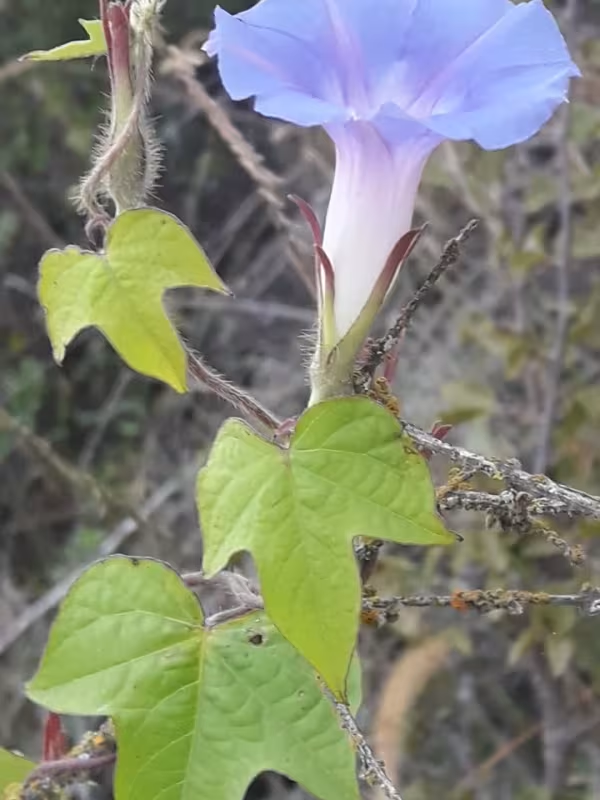
Ipomoea nil, commonly known as a type of morning glory, is an annual climbing vine belonging to the Convolvulaceae family, native to tropical regions of the world.
Seeds are typically started indoors 4–6 weeks before the last expected frost date to ensure a sufficiently long growing season for this vigorous plant.
The seeds possess a hard seed coat and require scarification or overnight soaking in lukewarm water to facilitate germination, which usually takes about 7 to 14 days.
Once the soil has warmed up thoroughly in late spring, seedlings can be transplanted outdoors, maintaining a spacing of approximately 30 cm between plants.
Direct seeding in the garden is only advisable in warmer regions where the frost-free period is long enough to allow the plant to complete its lifecycle before autumn.
Growing requirements
Ipomoea nil requires a full sun location, ideally receiving at least 6–8 hours of direct sunlight daily to encourage maximum bloom production and vine growth.
The ideal soil is moderately fertile, well-draining, and slightly acidic to neutral in pH, as heavy, waterlogged clay soils can cause root rot issues.
Consistent watering is essential, especially during dry spells, but it is important to avoid wetting the foliage unnecessarily to minimize disease risks.
The plant is a climber by nature and requires sturdy trellises, fences, or wires to support its growth, which can reach heights of up to 3 meters.
Regular feeding with a balanced liquid fertilizer, lower in nitrogen and higher in phosphorus, supports healthy bud formation throughout the summer months.
Main diseases and pests
Spider mites are a common nuisance for this species, especially during periods of hot, dry weather, often leading to stippling and yellowing of the leaves.
Aphids can also cluster on the tender new growth and developing buds, potentially causing distortion and acting as vectors for various plant viruses.
Fungal issues like powdery mildew may arise if the plants are placed in areas with poor air circulation or if the foliage remains wet for extended periods.
To mitigate pest damage, growers should regularly monitor the undersides of the leaves and use organic insecticidal soaps when initial populations appear.
Sanitation, such as removing debris and infected plant parts at the end of the season, is crucial for preventing the overwintering of pathogens and pests.