
Morning glory
Ipomoea purpurea (L.) Roth
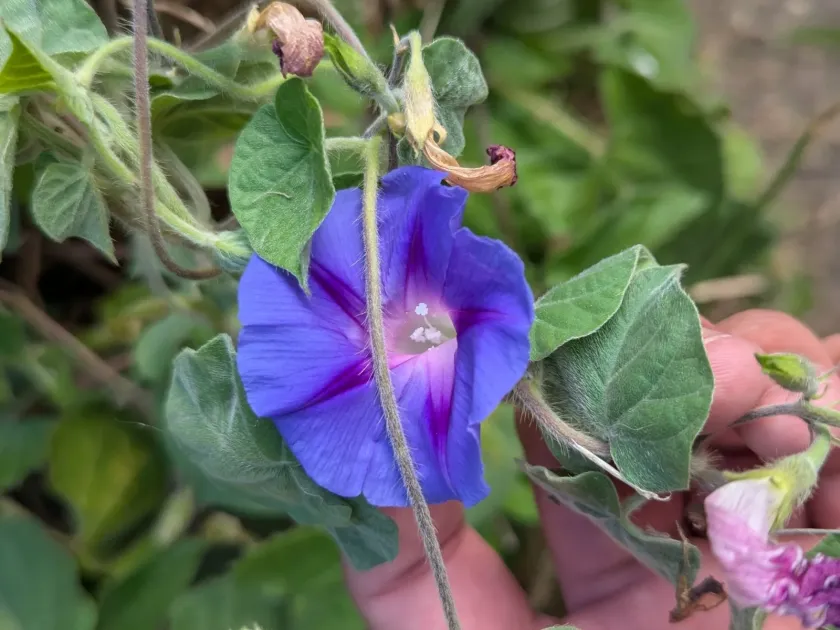
Description
Sowing dates
Morning glory (Ipomoea purpurea) is an annual climbing herbaceous plant belonging to the Convolvulaceae family. Native to tropical regions of the Americas, it is widely valued for its rapid growth and trumpet-shaped flowers.
Sowing in open ground should be performed after the last frost, as the plant is highly sensitive to cold temperatures. Warm, well-draining soil is essential for the germination of seeds within 7-14 days.
For regions with shorter summers, it is recommended to start seeds indoors in biodegradable pots. This prevents root disturbance, as the plant is notoriously difficult to transplant once the root system is established.
Seed coats are quite hard, so soaking seeds in water for 24 hours prior to planting significantly improves germination rates. Seeds should be planted at a depth of about 1 centimeter to ensure optimal emergence.
When transplanting, spacing should be at least 25-30 centimeters between individual plants. This allows for sufficient airflow and prevents the overcrowding that can lead to disease transmission among the vines.
Growing requirements
The morning glory thrives in full sun exposure. It requires at least 6-8 hours of direct sunlight daily to produce high-quality blooms; otherwise, the plant will focus solely on vegetative growth.
The species prefers well-drained, moderately fertile soil with a neutral to slightly acidic pH. Avoid heavy clay soils that retain excessive water, as these can lead to root decay and nutrient imbalances.
Watering must be consistent during the active growing season. The plant prefers moist, but not waterlogged soil, and requires regular hydration especially during extended dry spells to maintain healthy foliage.
The plant is a vigorous climber that requires sturdy support structures such as trellises, fences, or netting. Without vertical support, the plant will trail on the ground, making it vulnerable to rot and pests.
Avoid excessive nitrogen fertilizers, as they promote lush green foliage while significantly reducing the number of flowers. A balanced bloom-boosting fertilizer with higher phosphorus is preferred for best results.
Main diseases and pests
Spider mites are the most common pest, especially in dry and hot conditions. They feed on the underside of the leaves, causing stippling, discoloration, and eventual leaf drop, which weakens the vine.
Aphids often colonize the succulent tips of the stems and developing flower buds, extracting sap and potentially transmitting viruses that can cause stunted growth or distorted leaf development.
Fungal diseases, including anthracnose and various leaf spots, are primarily caused by high humidity and poor ventilation. Keeping the area around the vines free of debris helps manage these risks.
Integrated pest management is crucial for Ipomoea purpurea. This involves regular monitoring of the leaves and timely application of biological or chemical control agents when pest thresholds are exceeded.
- Regular weeding of the root zone.
- Adequate spacing for proper air circulation.
- Removing and destroying heavily infected plant material.