
Ipomoea purga
Ipomoea purga (Wender.) Hayne
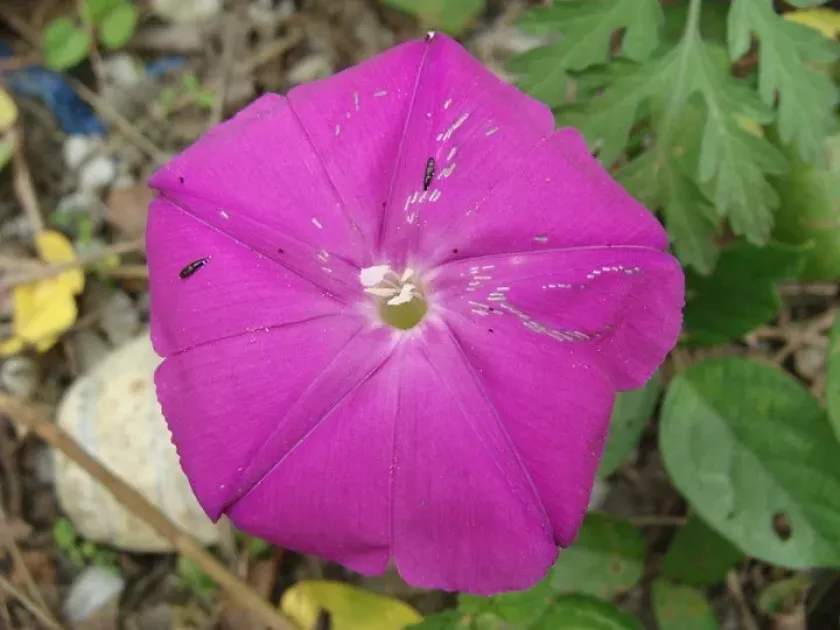
Description
Sowing dates
Sowing of Ipomoea purga seeds is typically performed in the spring season when soil temperatures remain consistently above 15 degrees Celsius.
Seed treatment, such as scarification or soaking in growth promoters, is highly recommended to improve the germination rate and ensure uniform seedling emergence.
In regions with cooler climates, starting seeds in a nursery or greenhouse is essential to provide the necessary length of the growing season for root development.
Transplanting seedlings to the field requires a spacing of at least 40 to 50 centimeters to ensure adequate space for root and vine growth.
Clearance of weeds during the early establishment phase is crucial for the development of the root system, as the plant is sensitive to competition.
Growing requirements
Ipomoea purga belongs to the Convolvulaceae family and is a perennial herbaceous vine native to the mountain forests of Mexico.
The crop thrives in loose, well-drained soils rich in organic matter, with a pH level that ranges from neutral to slightly acidic for optimal nutrient uptake.
Being a tropical plant, it requires warm temperatures and high humidity levels, often performing best in areas that offer partial shade to protect it from direct midday sun.
A sufficient and consistent water supply is necessary throughout the growing season to prevent drought stress, which can negatively impact the size of the storage roots.
The plant possesses a twining habit and must be provided with vertical trellises or supports to allow for proper air circulation and vertical growth.
Yield
The primary economic output of Ipomoea purga is its tuberous roots, which contain high concentrations of resinous substances, primarily jalapin, used as a purgative.
Harvesting for pharmaceutical use is typically delayed until the plants reach their third or fourth year of maturity to ensure maximum medicinal potency.
Yield is strongly influenced by soil fertility and the application of organic amendments, which promote the development of heavy, well-filled tuberous roots.
Proper management of plant density and pruning of excessive foliage can divert energy towards root development rather than biomass production.
Stable production levels are achievable under standard agricultural protocols, meeting the demands of the herbal medicine and pharmaceutical processing sectors.
Main diseases and pests
Root rot caused by waterlogging is the most significant threat to Ipomoea purga, necessitating excellent soil drainage and careful irrigation management.
Common pests such as aphids and spider mites can infest the foliage, requiring diligent monitoring and prompt integrated pest management actions.
Fungal diseases like powdery mildew may occur in poorly ventilated plantings, making proper spacing and plant management essential for crop health.
Nematode infestations can damage the root systems, leading to lower yields and reduced quality of the final raw medicinal material.
Regular field scouting and removal of infected plant debris are standard practices to prevent the spread of diseases within the cultivation area.
Harvesting
Harvesting typically occurs in late autumn after the aerial vines have withered, signaling that the plant has stored nutrients in its roots for winter.
Roots are extracted carefully from the soil to avoid wounding, then washed thoroughly to remove all debris before further processing.
Slicing the roots into uniform pieces immediately after harvest facilitates faster drying and reduces the risk of spoilage or mold development during storage.
Drying is conducted at controlled temperatures, usually not exceeding 60 degrees Celsius, to preserve the chemical integrity of the active resinous components.
Dried product should be stored in moisture-controlled, well-ventilated containers to maintain quality standards until it is processed by pharmaceutical facilities.