
Moonflower
Ipomoea alba L.
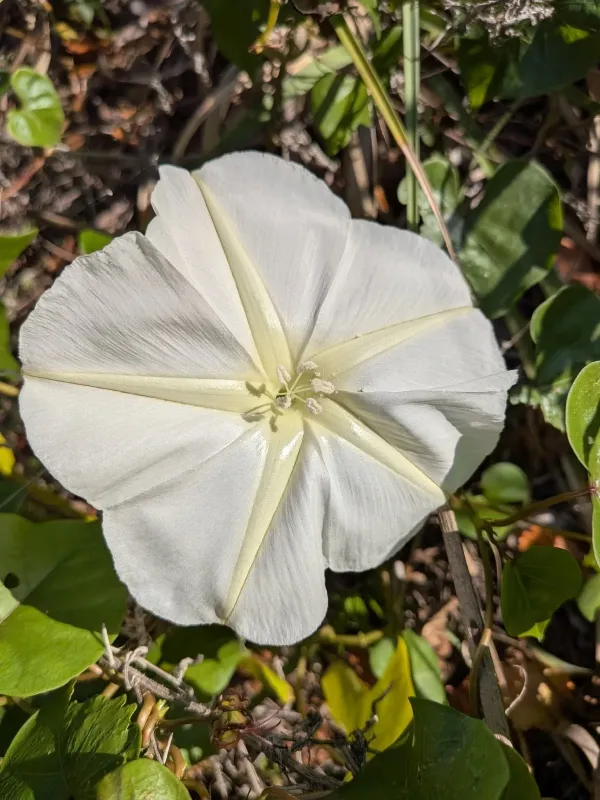
Description
Sowing dates
Ipomoea alba, widely known as the Moonflower, is a perennial vine belonging to the Convolvulaceae family. Due to its tropical origins, it is typically grown as an annual in cooler climates.
To ensure successful germination, the hard seed coat should be nicked or soaked in warm water for 24 hours prior to sowing. Seeds are best started indoors about 4-6 weeks before the last frost date in individual peat pots to minimize root disturbance.
Transplanting into the garden should only occur once the soil is thoroughly warm and the risk of frost has passed. These plants thrive in environments where nighttime temperatures remain above 15 degrees Celsius.
When selecting a planting site, provide robust support structures such as trellises or fences. The Moonflower is a vigorous climber and can reach heights of several meters in a single growing season.
Spacing should be adequate to allow for air circulation, typically about 30 to 50 centimeters apart, ensuring the vines have enough space to spread their large, fragrant leaves.
Growing requirements
This species requires a warm, sunny location to flourish. While it tolerates partial shade, full sun exposure is essential for robust growth and the production of its iconic large, white, nocturnal flowers.
Well-drained, fertile soil is a prerequisite for healthy growth. The plant is highly intolerant of waterlogged soil, which quickly leads to crown and root rot, especially during cooler, damp periods.
Regular watering is necessary, especially during peak summer temperatures. It is important to maintain consistent soil moisture, allowing the top layer of soil to dry out slightly between waterings.
Fertilization should be managed carefully. Excessive nitrogen can promote dense foliage at the expense of floral development; therefore, a balanced fertilizer applied early in the season is generally sufficient.
The plant's unique biological feature is the opening of its flowers at dusk. This adaptation facilitates pollination by hawk moths and other nocturnal insects, providing a stunning display throughout the night.
Main diseases and pests
Spider mites are the most common pests affecting Ipomoea alba, particularly in hot and arid conditions. Misting the foliage regularly and using appropriate miticides can keep populations under control.
Aphids can frequently be found on the undersides of leaves and on developing flower buds. Prompt application of insecticidal soap is usually sufficient to manage these infestations without harming beneficial insects.
Fungal diseases like leaf spot and rust can occur if planting density is too high or if the foliage remains wet for extended periods. Improving airflow and removing infected parts are crucial cultural practices.
Root-knot nematodes may cause stunted growth and yellowing of foliage. Prevention is key, involving the use of sterilized soil mixes and ensuring vigorous plant health to increase resilience.
As the plant contains toxic alkaloids in its seeds and sap, it should be kept away from children and pets. Proper handling using gloves is advised when performing routine pruning or maintenance.