
Ipomoea tricolor
Ipomoea tricolor Cav.
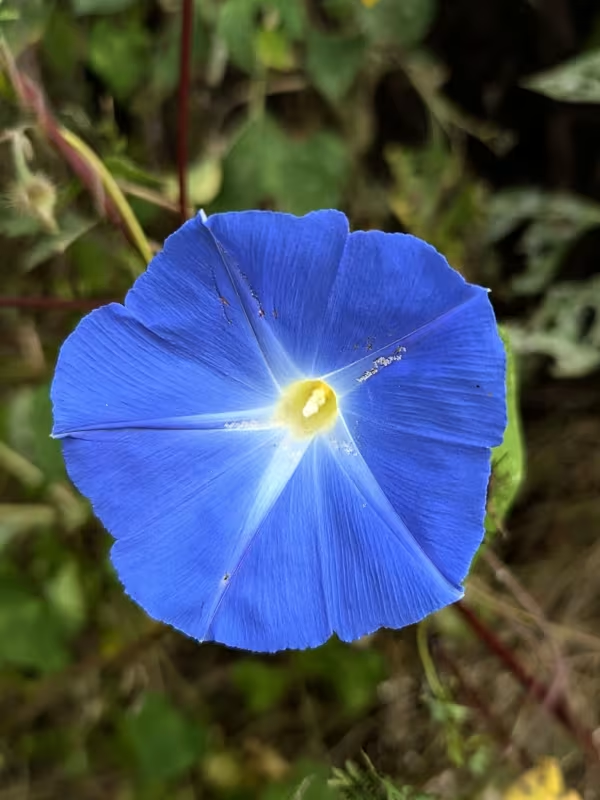
Description
Sowing dates
Ipomoea tricolor is a warmth-loving annual vine that thrives when sown in soil that has been thoroughly warmed by the sun, typically late in the spring season.
For gardeners in cooler climate zones, starting seeds indoors using biodegradable pots is recommended to ensure a head start on the growing season.
Seeds should be sown at a depth of about 1 centimeter, ensuring they are covered with fine, moist soil to facilitate even germination across the tray.
Scarifying or soaking the seeds for 24 hours prior to planting significantly improves water absorption and increases the overall germination rate.
When transplanting outdoors, space the seedlings at least 20–30 centimeters apart to prevent overcrowding and promote healthy air circulation throughout the vine.
Growing requirements
Belonging to the Convolvulaceae family, this species is native to the tropical regions of the Americas and requires a long, frost-free growing period.
The plant demands full sun exposure to produce its characteristic vibrant flowers, though it can tolerate partial shade in extremely hot climates.
The ideal soil is moderately fertile, well-draining, and slightly acidic to neutral in pH, preventing the water stagnation that can lead to root issues.
As a vigorous climber, Ipomoea tricolor requires sturdy vertical support, such as trellises, wires, or netting, to achieve its full potential and aesthetic appeal.
Regular maintenance involves consistent watering and occasional fertilization with a low-nitrogen, high-phosphorus fertilizer to encourage profuse blooming.
Main diseases and pests
Spider mites are the most common pest, especially in dry and hot conditions, as they tend to feed on the underside of leaves and weaken the plant.
Aphids can also infest the tender tips of growing shoots, causing curling and potential transmission of viral diseases if not managed promptly.
Fungal diseases like white rust or various leaf spots may occur during periods of high humidity or poor ventilation in the garden environment.
Good cultural practices, such as removing debris and avoiding overhead watering, are essential for maintaining the health of the climbing vines.
If chemical intervention is necessary, gardeners should select appropriate pesticides and apply them during the cooler hours of the day to protect pollinators.