
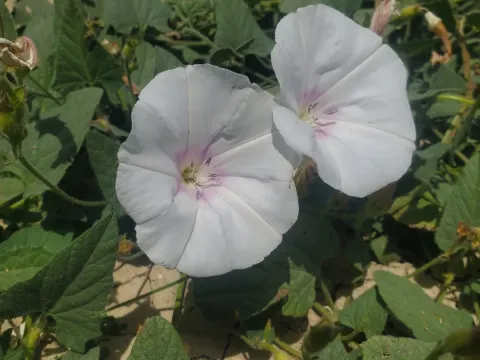
Convolvulus betonicifolius
Convolvulus betonicifolius
Convolvulus betonicifolius is a perennial herbaceous plant belonging to the Convolvulaceae family. In agricultural settings, it is primarily recognized as a persistent weed that aggressively competes with primary crops for water, nutrients, and sunlight.
What the section contains
Convolvulus betonicifolius
Native to the Mediterranean region, the Caucasus, and parts of the Middle East, this plant has spread widely across various environments. It is highly valued for its extreme drought tolerance, attributed to a deeply penetrating taproot system.
The botanical structure of the plant features sagittate or hastate leaves and twining stems. This morphology allows it to climb over adjacent crops, causing shading and potential lodging, which significantly reduces the yield of cultivated plants.
The plant thrives in well-drained, fertile soils but exhibits notable plasticity, allowing it to survive in depleted or saline soils where other vegetation might struggle. High light intensity is the primary driver for its rapid vegetative growth cycle.
Agronomic management requires a combination of cultural practices, such as crop rotation and mechanical cultivation. Consistent disruption of the root system during the early stages of growth is essential to deplete the plant's energy reserves.
Pests affecting Convolvulus betonicifolius include leaf-feeding beetles and aphids. While these pests can cause cosmetic or minor physiological damage, they rarely succeed in eradicating the weed population due to its robust survival strategies.
Diseases such as powdery mildew and various rust fungi can infect the foliage under conditions of high humidity or poor air circulation. These pathogens generally have limited impact on the weed's overall vigor in the field.
In farming, this bindweed species serves as an alternative host for several viruses and pathogens that negatively affect commercial vegetable crops, particularly those in the Solanaceae family, necessitating strict field hygiene.
Effective control measures include the use of systemic herbicides applied during the peak flowering stage. This timing ensures that the herbicide is translocated to the deep root system, preventing the weed from regenerating in subsequent growing seasons.
From an agricultural standpoint, Convolvulus betonicifolius is generally managed as a nuisance. However, in wild habitats, it contributes to ecosystem biodiversity and serves as a nectar source for pollinators, highlighting its complex role in the landscape.