
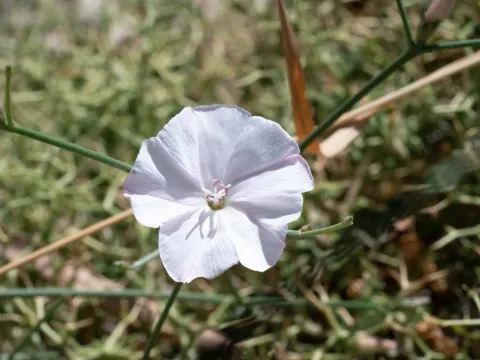
Convolvulus dorycnium
Convolvulus dorycnium
Convolvulus dorycnium is a perennial subshrub belonging to the Convolvulaceae family. It is a highly specialized plant that exhibits significant resistance to environmental stressors, making it an ideal candidate for revegetation in degraded lands.
What the section contains
Convolvulus dorycnium
The plant originates from the Mediterranean basin and the Near East. It naturally colonizes rocky, dry, and poor-nutrient soils where competition from other plant species is minimal, demonstrating high ecological plasticity.
Regarding soil requirements, the plant thrives in well-drained substrates. It prefers alkaline or neutral soil conditions and can tolerate saline environments better than most traditional agricultural crops.
Climatic adaptability is one of the key features of this species. It is a true xerophyte, requiring high solar radiation levels to maintain its metabolic processes and complete its lifecycle under low moisture availability.
In terms of agricultural use, Convolvulus dorycnium is mainly recognized for its soil-binding properties. Its extensive root system acts as a biological anchor, making it a valuable asset for anti-erosion management on steep terrain and vulnerable hillsides.
Convolvulus dorycnium is generally hardy but remains susceptible to specific pathogens. Powdery mildew is the most common fungal threat, typically occurring when local humidity levels unexpectedly rise during the growing season.
Root rot, caused by soil-borne fungi, poses a significant risk to the plant's long-term health. Over-irrigation or stagnant water conditions in the soil are the primary drivers for these infectious processes.
Pest damage is primarily linked to insect populations that exploit the plant's foliage. Leaf-chewing beetles can cause significant aesthetic and physiological damage if their populations are not kept in check during the peak growth months.
Management strategies involve rigorous inspection protocols. Ensuring proper site drainage is the most effective preventative measure against soil pathogens, while mechanical weeding helps reduce host plants for potential pests.
Integrated pest management remains the most viable approach for this crop. By maintaining the natural balance and avoiding excessive chemical interventions, the longevity of the plant community can be significantly extended in the field.