
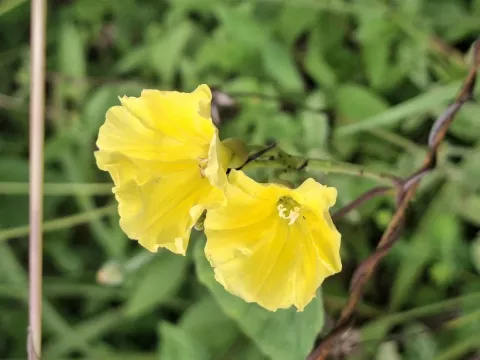
Camonea
Camonea
Camonea belongs to the Convolvulaceae family, requiring specific thermal conditions for successful germination and early development phases.
What the section contains

Camonea
The optimal sowing time begins when soil temperatures consistently reach at least 20 degrees Celsius, ensuring rapid seedling emergence.
For greenhouse or container cultivation, sowing is usually initiated 4–6 weeks before the last frost date to ensure strong plant establishment.
Seeds should be covered with a fine layer of soil, keeping them moist but not saturated to avoid seed rot before germination occurs.
Thinning is necessary if plants are grown in clusters to prevent competition for nutrients and light among the young seedlings.
Camonea thrives in full sun exposure, which is essential for stimulating flowering and maintaining robust stems and healthy foliage.
The plant requires well-draining soil types, ideally sandy loams, that allow for rapid drainage while maintaining essential moisture levels.
It is sensitive to waterlogged conditions, making it crucial to select sites that are not prone to ponding or excessive soil compaction.
Temperature management is vital; the plant performs best in warm environments and does not tolerate frost or cold drafts during the night.
Regular fertilization with balanced nutrients during the vegetative growth phase helps support the vigorous climbing nature of the plant.
Fungal diseases, including various types of mildew, are the primary concern for Camonea, especially when grown in humid or enclosed spaces.
Pests like spider mites and aphids pose significant risks by feeding on sap, leading to distorted growth and reduced overall plant vigor.
Integrated pest management strategies are recommended, including the use of neem oil or insecticidal soaps to mitigate pest pressure safely.
Ensuring proper spacing between plants is a preventive measure that significantly decreases the likelihood of rapid disease transmission.
Monitoring the soil moisture levels and avoiding overhead irrigation can reduce the presence of humidity-loving pathogens on the leaves.