
Copernicia torreana
Copernicia torreana
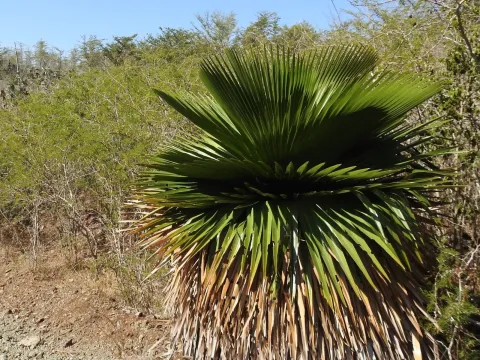
Copernicia torreana is a distinct species within the Arecaceae family, native to the island of Cuba. This fan palm is highly valued by collectors for its slow growth and unique architectural structure of its fronds.
What the section contains
Copernicia torreana
Cultivation of this species requires a location with full, intense sun exposure. In artificial environments, the plant struggles if lighting is insufficient, which often results in weak, etiolated leaf structures.
The soil should be well-draining and alkaline, mimicking the limestone-rich substrates found in its native habitat. Mixing sand and volcanic rock into the potting medium is recommended to ensure optimal drainage and prevent root rot.
Temperature requirements are strictly tropical. This plant cannot withstand frost and thrives best at temperatures consistently above 20 degrees Celsius throughout the year, with high humidity being an additional benefit.
Beyond its ornamental appeal, Copernicia torreana is studied for its chemical composition, specifically the waxes produced on its leaf surfaces, which demonstrate significant potential for sustainable harvesting.
The primary threats to Copernicia torreana include mealybugs and scale insects, which often infest the tight crevices of the leaf bases and the petioles, hindering nutrient transport.
Fungal infections, such as leaf spot disease, are common when the plant is kept in environments with poor air circulation or excessive humidity trapped within the dense foliage.
Root rot, triggered by Phytophthora or Pythium species, is a catastrophic issue usually caused by poor irrigation management and heavy, moisture-retaining soil mixes.
Spider mites represent a frequent problem during dry seasons or in climate-controlled spaces, causing the foliage to lose its natural green pigmentation and develop a chlorotic appearance.
Management of these pests requires a proactive approach including integrated pest management strategies, such as physical removal of insects and the application of targeted horticultural oils.