
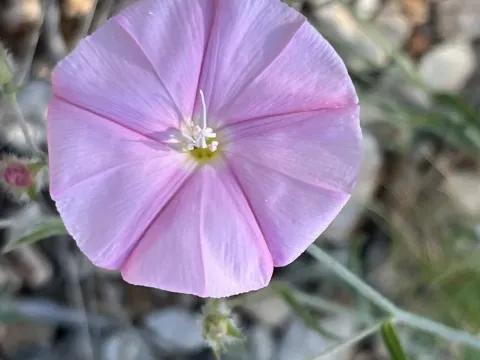
Cantabrian morning glory
Convolvulus cantabrica
Cantabrian morning glory (Convolvulus cantabrica) is a herbaceous perennial plant belonging to the Convolvulaceae family. It is distinct from invasive bindweed species, as it is valued in horticulture for its neat habit and pink-flowered displays.
What the section contains
Cantabrian morning glory
The species is native to Southern and Central Europe, predominantly found in the Mediterranean region. It thrives in harsh, rocky environments that would challenge many other ornamental plants.
In terms of soil, this plant demands excellent drainage. It performs best in poor, sandy, or stony substrates that mimic its natural rocky hillside habitats.
The plant is highly heat-tolerant and thrives in full sun exposures. It is an excellent choice for xeriscaping or rock gardens where water conservation is a priority.
Cultural practices should focus on avoiding excess moisture. Once established, the plant requires very little supplemental water, making it a low-maintenance addition to the landscape.
The most significant threat to Convolvulus cantabrica is root rot caused by poor soil drainage and waterlogged conditions during the winter months.
Fungal issues such as powdery mildew can occasionally emerge if the plant is grown in areas with high humidity and poor air circulation.
Common insect pests include aphids and spider mites, which can cause leaf discoloration and stunted growth during particularly hot and dry weather spells.
Effective management involves monitoring plant health and ensuring that the surroundings remain free of dense debris that could harbor pests or pathogens.
When necessary, systemic treatments for pests or fungicides should be applied carefully, ensuring they are suitable for the local ornamental growing conditions.