
Comperia
Comperia
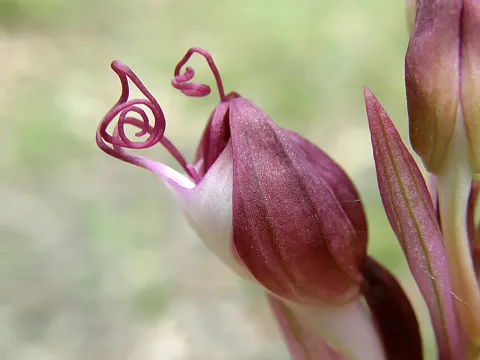
Comperia (lat. Comperia) is a genus of rare herbaceous plants belonging to the Orchidaceae family. Known for its unique morphology, this genus is represented by a single species that holds high conservation value rather than agricultural utility.
What the section contains
Comperia
The plant relies heavily on specific soil microflora, primarily mycorrhizal fungi. This symbiotic relationship is essential for seed germination and plant development, making the species highly sensitive to changes in soil chemistry and structure.
Natural habitats for Comperia are typically mountainous regions characterized by calcareous soils and moderate levels of light. The plant prefers slopes that offer good drainage while maintaining sufficient soil moisture for its root system.
Cultivation of this plant is not practiced commercially. Any attempt to transplant or disturb the soil in its natural range is detrimental to its life cycle, as the plant cannot thrive outside its specialized ecological niche.
Botanically, Comperia is distinguished by its complex inflorescence and long, slender sepals. Its growth cycle is slow, often requiring several years for a juvenile plant to reach the stage of successful flowering in its native environment.
The primary threat to the stability of Comperia populations is the loss and fragmentation of its natural mountain forest habitats caused by human development.
Uncontrolled collecting and poaching represent a direct danger, as the species is highly prized for its ornamental uniqueness, yet it cannot survive in standard garden settings.
Root rot pathogens are a major threat, particularly in years with irregular rainfall, which can disturb the fragile balance between the orchid and its symbiotic fungi.
Insects and certain herbivorous pests can cause localized damage, although the primary limitation remains the lack of suitable environmental conditions for seedling survival.
Ecological competition from invasive shrub species and aggressive grasses further reduces the area available for Comperia, necessitating strict protection of its known growing sites.