
Cordemoya
Cordemoya
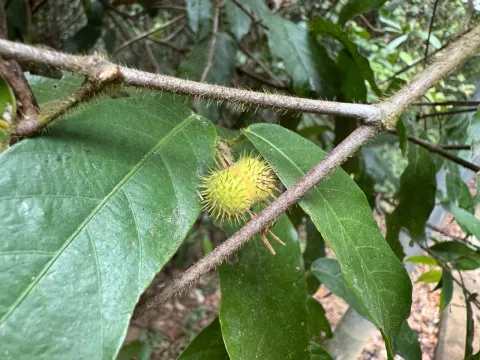
Cordemoya is a genus of tropical plants belonging to the Euphorbiaceae family. These trees are primarily native to the Mascarene Islands, where they have evolved to thrive in the rich, moist conditions of tropical forest environments.
What the section contains
Cordemoya
The botanical characteristics of the genus include evergreen foliage and a structure typical of understory trees. They play a significant role in the local ecosystems, contributing to the structural complexity of forest habitats.
For successful growth, Cordemoya requires a warm, stable climate without extreme temperature fluctuations. The plants are highly sensitive to frost and cold drafts, which makes them unsuitable for outdoor cultivation in temperate zones.
The soil requirements focus on high organic content, excellent drainage, and slightly acidic pH levels. Maintaining a moist, but never waterlogged, environment is crucial to prevent the onset of root-related complications.
Light management is essential, as these plants prefer filtered or dappled sunlight. Providing an environment that mimics the forest floor provides the best chance for healthy, sustained growth of these unique botanical specimens.
Pathogenic fungi represent a primary threat to the species, particularly during periods of high humidity and poor ventilation. Fungal infections often start in the leaf tissue and can spread rapidly if left untreated.
Common pests, including scale insects and mites, frequently target the sap-rich stems and leaves of the plant. These infestations can weaken the plant, making it more susceptible to environmental stressors and secondary diseases.
Competition from invasive plant species is a critical issue for natural populations of Cordemoya. In their native habitats, aggressive non-native species can outcompete them for vital resources like light and space.
Human-induced environmental degradation, such as deforestation and soil erosion, poses a long-term risk. These factors reduce the availability of suitable growing sites and disrupt natural regeneration processes.
Proactive management of the growing environment is the best defense. This includes regular monitoring for early signs of pests, ensuring proper air circulation, and maintaining balanced irrigation practices to keep the plants robust.