
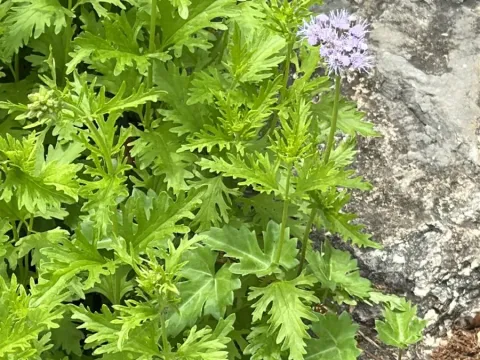
Conoclinium
Conoclinium
Conoclinium propagation is commonly achieved through seed sowing in spring or by division of the rhizomatous root system in either spring or autumn.
What the section contains
Conoclinium
Seeds require a light covering of soil and should be kept consistently moist to ensure uniform germination, ideally at temperatures between 18°C and 22°C.
When starting from seed in a greenhouse environment, it is essential to provide adequate light to prevent leggy growth of the seedlings before transplantation.
Division is the preferred method for maintaining the characteristics of specific cultivars and ensures a faster establishment of plants in the perennial border.
The spacing of plants should be carefully considered based on the intended use, typically allowing 30 to 45 centimeters between individual specimens.
This genus belongs to the Asteraceae family and is native to North America, where it thrives in moist, riparian, and open woodland habitats.
Conoclinium demands fertile, moisture-retentive soil and performs best in locations where irrigation can be managed during dry summer spells.
While the plant is adaptable, it prefers full sun exposure to maintain its compact growth habit and maximize the production of its characteristic blue blooms.
The plant is known for its rhizomatous spreading habit, making it an excellent candidate for stabilizing soil in moist, prone-to-erosion landscape areas.
Regular maintenance includes the application of organic mulch to conserve moisture and suppress competing weed growth around the root zone.
The primary threats to Conoclinium include powdery mildew, which can develop in areas with high humidity and poor air circulation during the peak growing season.
Root rot is a significant concern in poorly drained soils; once infection settles in, the plant's vigor declines rapidly, often leading to total loss.
Insects such as aphids and spider mites may target the foliage, causing chlorosis and stunted growth if not addressed by prompt scouting and treatment.
Cultural control methods, such as removing debris and thinning dense clusters, are highly effective in reducing the pressure from most common fungal pathogens.
Chemical intervention should be reserved for severe outbreaks, utilizing specific fungicides or miticides while ensuring minimal impact on local pollinators.