
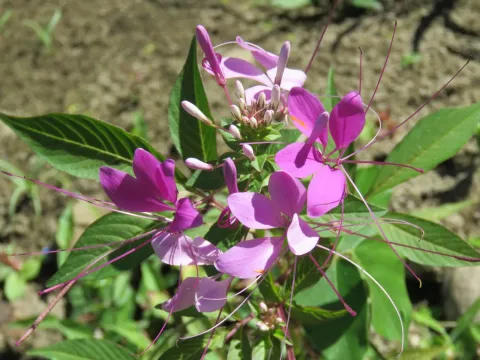
Cleome cardinalis
Cleome cardinalis
Cleome cardinalis is a heat-loving crop, so it is recommended to start seeds indoors in March or early April in temperate climates to ensure the plants mature properly.
What the section contains
Cleome cardinalis
The seeds of this species have moderate germination rates, so stratification for about two weeks is suggested. Use a loose, nutrient-rich substrate mixed with sand for the best results.
When sowing, seeds should be planted no deeper than 1 centimeter, and containers should be covered with plastic until germination occurs, maintaining a stable temperature of 20-22 degrees Celsius.
Transplanting seedlings to the open field must occur only after the danger of frost has passed, as the plant is highly sensitive to cold weather during its early stages of growth.
The planting scheme should account for the plant's vigorous growth, so maintaining a distance of at least 40-50 centimeters between plants is essential for healthy air circulation.
This crop belongs to the Capparaceae family and thrives in well-lit, open areas protected from strong winds that might break its tall, elegant stems during the flowering season.
Successful cultivation of Cleome cardinalis requires fertile, neutral, or slightly acidic soils with excellent drainage, as waterlogging is detrimental to the plant's delicate root system.
Irrigation should be consistent but moderate; the plant tolerates short periods of drought better than excessive moisture, which can lead to root rot and fungal infections.
During the active growing season, the plant responds well to bi-weekly applications of balanced mineral fertilizers, including nitrogen, phosphorus, and potassium, to boost blooming.
To maintain a clean aesthetic and promote continuous flowering, gardeners should regularly deadhead faded blooms, which also helps prevent the plant from self-seeding excessively.
Cleome cardinalis generally shows good resistance to diseases; however, high humidity can lead to powdery mildew, characterized by a white, dusty growth on the foliage.
Aphids are the most common pests, as they feed on the sap of young shoots, leading to stunted development and leaf curling if not managed early in the season.
Spider mites can also be a threat during periods of intense heat and low humidity, which may require the application of appropriate acaricides to keep the population under control.
Prevention involves regular weeding and avoiding overcrowding, which helps maintain airflow and prevents the development of environmental conditions favored by various garden pests.
If fungal infections are detected, growers should apply broad-spectrum fungicides, ensuring they follow the manufacturer's instructions regarding application rates and frequency.