
Clausena dentata
Clausena dentata
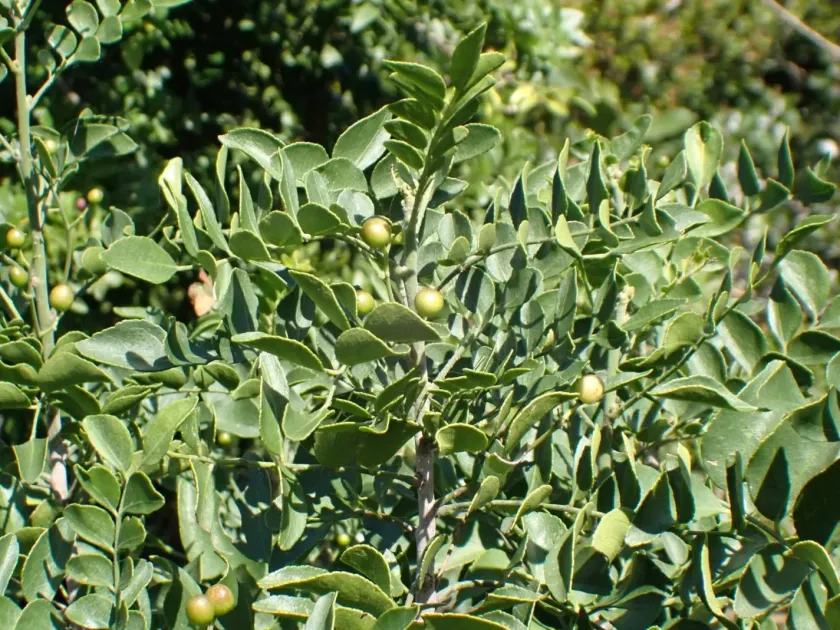
Description
Growing requirements
Clausena dentata is an evergreen shrub or small tree belonging to the family Rutaceae. It is botanically characterized by its compound leaves, which are rich in essential oils, giving them a distinct aromatic profile similar to other citrus relatives.
Originating from tropical regions of Asia, including India and the Philippines, this species typically inhabits forest margins and warm open habitats. Its natural distribution demonstrates a strong preference for humid environments with consistent rainfall patterns.
For successful cultivation, the plant requires fertile, well-draining soil with a pH level ranging from slightly acidic to neutral. High organic matter content in the soil significantly improves plant vitality and the production of aromatic leaves.
Regarding climate, it is a heat-loving plant that thrives in temperatures between 20°C and 30°C. It lacks frost tolerance, making it suitable for outdoor cultivation only in tropical zones; elsewhere, it must be grown in greenhouses or as a container plant.
Standard agronomic practices include routine irrigation to maintain soil moisture without causing waterlogging, and applying nitrogen-rich fertilizers during the growing season. Pruning is essential to maintain plant shape and encourage the development of new, healthy shoots.
Yield
The primary economic use of Clausena dentata involves the extraction of essential oils and the harvesting of leaves for traditional medicinal applications. The plant is valued for its potential antiseptic and antioxidant properties found in its leaves and bark.
In local agricultural settings, the plant is often utilized as a culinary herb due to its complex fragrance. Ongoing research into its phytochemical composition continues to reveal new possibilities for its use in pharmaceutical and food industries.
Main diseases and pests
Common pests affecting Clausena dentata include aphids, scale insects, and spider mites, particularly when grown in controlled environments with poor air circulation. Early detection is key to preventing infestations that damage the foliage.
Fungal issues, such as root rot and leaf spot diseases, can occur if the growing medium remains overly saturated. Implementing a rigorous irrigation schedule and ensuring sufficient space between plants are effective measures to mitigate these phytosanitary risks.
Harvesting
Harvesting is typically done manually, selecting young, tender leaves during the active growth period. Proper drying techniques in the shade are employed to preserve the volatile essential oils and active components within the plant material.