
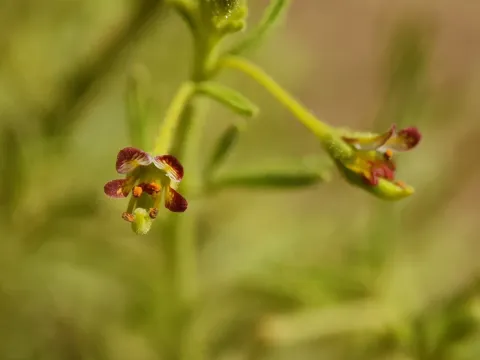
Cleome amblyocarpa
Cleome amblyocarpa
Cleome amblyocarpa is an annual herbaceous plant belonging to the Cleomaceae family. Native to arid regions of Northern Africa and the Middle East, it has evolved to thrive in high-temperature environments with limited water availability, making it a robust candidate for sustainable farming.
What the section contains
Cleome amblyocarpa
Botanically, the plant features branched stems and compound leaves, which are rich in essential oils. The inflorescence consists of racemes with flowers that exhibit a unique biochemical profile. The plant's ability to maintain productivity under water stress is its primary agricultural advantage.
The sowing process begins when soil temperatures consistently reach +15 to +18 degrees Celsius. Proper seedbed preparation is essential to ensure uniform germination, as seeds require consistent soil contact and warmth to sprout effectively in the early spring.
Row spacing is typically set between 45 and 60 cm to allow for adequate ventilation and root development. Maintaining an optimal planting density is crucial to balance individual plant growth with the overall yield of biomass and seeds per hectare.
Seed treatment, including cleaning and occasional priming, is recommended to improve germination energy. Shallow planting at a depth of 2 to 3 cm is advised to ensure that seedlings reach the surface quickly without depleting their nutrient reserves.
Cleome amblyocarpa thrives in full sun and requires high light intensity to maximize the synthesis of essential oils. Shaded conditions should be avoided, as they significantly reduce the economic value of the biomass and the oil quality of the seeds.
The crop is highly adaptable to various soil types but performs best in sandy or silty loams with excellent drainage. Stagnant water is detrimental to the plant's health, as it promotes root rot and fungal infections, which are the primary threats to the stand.
Tolerance to soil salinity allows this crop to be grown on marginal or degraded lands where other species fail. A neutral to slightly alkaline pH level is ideal, ensuring that necessary micronutrients are available for optimal physiological development.
Water requirements are minimal once the plant is established. Irrigation is generally only necessary during the seedling stage or under prolonged drought conditions. After the rows close, the canopy helps retain soil moisture, reducing the need for intensive management.
Fertilization should be moderate, with a focus on phosphorus and potassium to boost drought resistance. Nitrogen applications should be limited, as excessive amounts can lead to overgrowth of vegetation at the expense of seed quality and oil content.
Harvesting timing is critical, as pods can shatter easily once they reach full maturity. Monitoring the color change of the seed pods from green to dark brown is the most reliable method for determining the optimal harvest window.
Mechanized harvesting is typically done using combines with adjusted settings to prevent seed damage. In some cases, a two-phase harvest—mowing into windrows followed by threshing after a brief drying period—is preferred to reduce losses from shattering.
Post-harvest processing involves immediate cleaning and drying. The seeds must be dried to a moisture content of approximately 9-10% to ensure stability. Improper drying leads to the development of mold, which can destroy an entire batch of seeds.
The remaining biomass is often utilized as organic mulch or processed for essential oil extraction. Because the plant is typically grown with minimal chemical inputs, its post-harvest residues are generally safe for soil incorporation as green manure.
Storage of the cleaned product must take place in a cool, dry, and well-ventilated environment. Sealing seeds in moisture-proof containers helps prevent quality degradation and preserves high viability for subsequent planting seasons.