
Cleome hybrids
Cleome hybrids
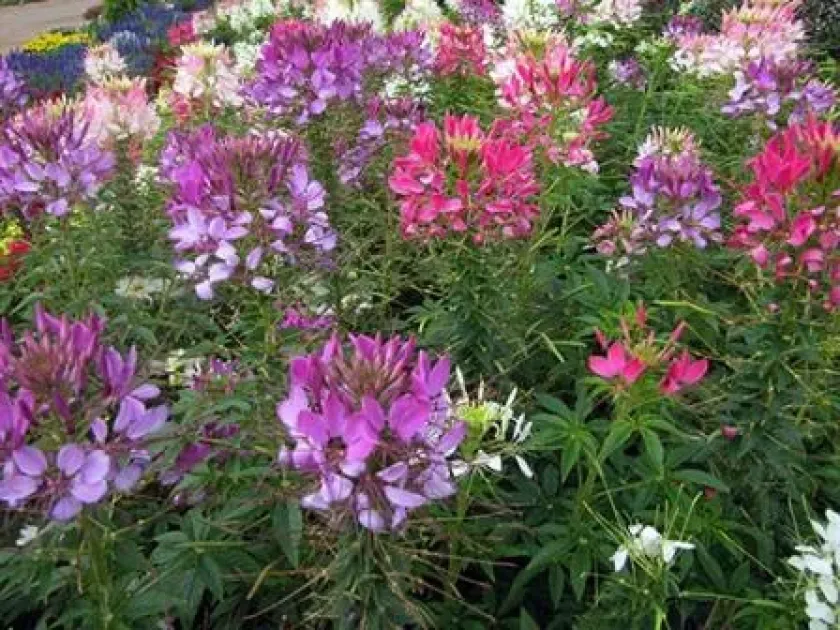
Description
Sowing dates
Cleome hybrids, members of the Capparaceae family, are stunning ornamental plants with a long growing season. In most temperate regions, it is recommended to start seeds indoors in late winter or early spring to ensure the plants have enough time to mature.
Seeds should be planted in a high-quality, well-draining potting mix. They usually require a temperature of about 20–22 degrees Celsius to germinate effectively. Covering the tray with plastic can help maintain the necessary humidity levels.
Transplanting to the permanent location in the garden should only occur after the risk of frost has completely passed. Cleome is highly sensitive to cold, and even minor temperature drops can damage young, tender seedlings.
Proper spacing is crucial for Cleome as it grows into a robust, tall plant. Placing them approximately 40–50 centimeters apart ensures good air circulation, which helps prevent fungal diseases and allows for full development of the plant.
Direct sowing in the garden is possible only in regions with long, warm summers. In this case, seeds are sown once the soil has sufficiently warmed up, and thinning may be required to maintain the necessary space between individual plants.
Growing requirements
Cleome hybrids thrive in full sun conditions. They require at least 6–8 hours of direct sunlight per day to produce the dense, vibrant flower clusters that make them a popular choice in landscape design.
The soil should be fertile, loose, and well-drained. Cleome does not tolerate "wet feet" and will suffer quickly in heavy, waterlogged clay soils, which often lead to root rot or other physiological problems.
While relatively drought-tolerant once established, Cleome responds best to a consistent watering schedule. During prolonged dry spells, deep watering is preferred over light daily sprinklings to encourage strong root development.
The plants benefit from moderate fertilization throughout the growing season. A balanced, slow-release fertilizer or occasional feeding with a phosphorus-rich formula can help sustain prolific blooming from summer until autumn.
It is also important to consider the plant's height and potential exposure to strong winds. High-growing varieties may need support or a protected location to ensure that their brittle stems do not break during heavy rain or windstorms.
Main diseases and pests
Cleome hybrids are generally hardy, but they are not immune to issues. Powdery mildew is the most common disease, often appearing when humidity is high and airflow around the foliage is restricted, resulting in white spots on leaves.
Root rot, as previously mentioned, is a significant threat typically associated with poor drainage. If signs of wilting appear despite adequate moisture, it is critical to investigate the soil condition and adjust the watering habits immediately.
Aphids are the most frequent insect pests. These small pests cluster on the growing tips and underside of leaves, causing distorted growth. Regular monitoring is essential to detect early infestations before they spread to the entire plant.
Spider mites can also be problematic, particularly during hot and dry weather conditions. They feed on plant fluids, often leading to yellowing or speckled leaves. Increasing local humidity and using appropriate treatments can help manage them.
Integrated pest management, including the removal of nearby weeds and cleaning garden debris, is highly effective in maintaining the health of Cleome plants. Always use targeted treatments to protect beneficial pollinators that are attracted to the flowers.