
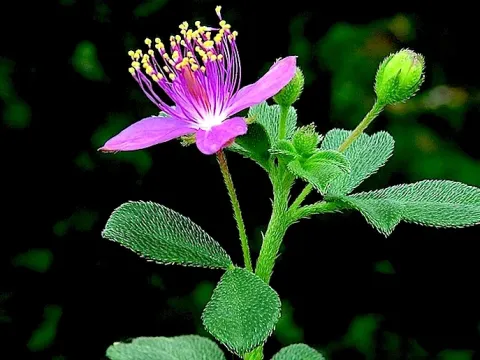
Cleome chelidonii
Cleome chelidonii
Sowing Cleome chelidonii is typically performed in late spring once the threat of frost has completely passed. The soil temperature should be consistently warm, ideally above 18 degrees Celsius, to ensure optimal germination rates.
What the section contains
Cleome chelidonii
The seeds should be sown in shallow furrows, no deeper than 2 centimeters, to allow the seedlings to emerge without excess energy expenditure. Covering the seeds with fine soil or compost promotes better contact and moisture retention.
Row spacing is generally maintained at 50 centimeters to ensure adequate airflow and room for mechanical cultivation between rows. This spacing is crucial for managing weed competition during the early stages of growth.
It is recommended to sow more seeds than the target plant density to account for potential field mortality. Subsequent thinning can be performed once the plants reach the two-leaf stage, leaving only the most vigorous specimens.
Consistent soil moisture immediately after sowing is essential. Using a light irrigation mist or covering the seedbed with a thin layer of organic mulch can significantly improve the emergence rate in drier climates.
Cleome chelidonii is a member of the Cleomaceae family, thriving in environments with high solar radiation. It requires a full-sun location to achieve its maximum potential regarding biomass and seed yield.
The crop prefers well-drained, sandy loam soils with moderate fertility. While the species is somewhat adaptable, it performs poorly in compacted or waterlogged soils, which can induce root disease.
Temperature management is straightforward, as the plant is well-suited to warm-temperate and tropical conditions. However, extreme heat combined with moisture stress may require supplemental irrigation.
Soil pH should ideally be neutral or slightly acidic. If soil tests indicate high alkalinity, the application of elemental sulfur or organic amendments can help adjust the chemistry to a more favorable range.
Nutrient management focuses on balanced applications of NPK fertilizers. Over-fertilization with nitrogen should be avoided to prevent excessive vegetative growth at the expense of reproductive development.
The crop can be susceptible to various fungal pathogens if moisture levels remain too high, particularly during the flowering stage. Root rot and damping-off are the most common issues in poorly drained fields.
Pest management focuses primarily on sucking insects such as aphids and whiteflies. These pests can cause significant damage to young leaves and stems, potentially reducing the overall vigor of the crop.
Integrated pest management (IPM) practices, including the use of biological controls or targeted sprays, are recommended. Monitoring fields for early infestation signs is the most effective way to prevent outbreaks.
Weed management is vital during the first few weeks after emergence. Since the plant starts slowly, early mechanical weeding is necessary to prevent weeds from overpowering the crop.
Proper crop rotation is encouraged to break the life cycles of soil-borne pests. Avoiding planting in fields where other plants from the same family were grown the previous year minimizes pathogen accumulation.
Harvesting should be timed to coincide with the brown-pod stage, just before the seeds begin to disperse naturally. Early harvest is preferred to prevent significant yield losses due to shattering.
Manual harvesting involves cutting the stalks and placing them on drying racks. This method ensures that the remaining energy in the plant helps complete the maturation of the seeds inside the pods.
Mechanical harvesting requires the use of specialized combine settings to prevent seed cracking. Low cylinder speeds are recommended to handle the seeds gently without compromising their integrity.
After collection, the seeds must be dried until they reach a safe moisture content for storage. High moisture content during storage can lead to fungal growth and rapid loss of viability.
Cleaned seeds should be stored in a cool, dry place. Using moisture-proof packaging is a standard practice to protect the seeds from humidity and pests, ensuring long-term shelf life for the next planting season.