
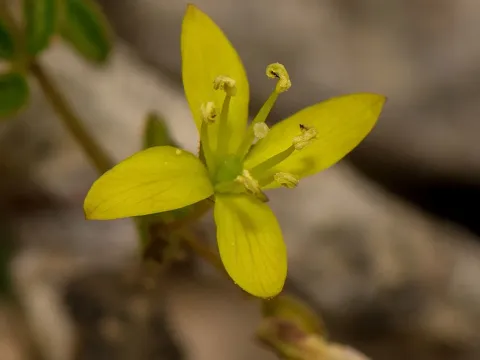
Cleome brachycarpa
Cleome brachycarpa
Cleome brachycarpa is a hardy herbaceous plant belonging to the Capparaceae family, naturally occurring in arid and semi-arid environments of Africa and Asia. Its botanical architecture is perfectly suited for survival in high-heat zones with limited annual rainfall, classifying it as a resilient drought-tolerant crop.
What the section contains
Cleome brachycarpa
The plant thrives in well-drained, sandy, or rocky soils that prevent waterlogging. It has evolved to perform photosynthesis efficiently under intense solar radiation, requiring full exposure to sunlight for optimal biomass production and the synthesis of secondary metabolites found in its tissues.
Climate requirements involve high thermal thresholds, with the plant favoring temperatures between 25°C and 35°C. It demonstrates excellent tolerance to soil salinity, which provides a significant advantage for farmers looking to utilize degraded or marginal agricultural lands that are unsuitable for traditional crop species.
From an agrotechnical perspective, Cleome brachycarpa requires minimal water input once established, as its deep taproot system allows it to reach sub-surface moisture. Proper site preparation, focusing on ensuring soil aeration and preventing drainage issues, is the most crucial step in successful crop establishment.
In terms of agricultural utility, the plant is valued for its essential oils and chemical constituents. There is ongoing research into its potential as a specialized crop for arid-land pharmacology and sustainable land rehabilitation programs aimed at combating desertification.
The primary threats to Cleome brachycarpa are fungal diseases triggered by excessive soil moisture and poor air circulation. Root rot and foliage spots are common occurrences if fields are not properly managed to allow the soil surface to dry out between occasional irrigation cycles.
Insect pests, such as aphids and spider mites, can pose a challenge, especially during the early growth stages of the plant. Integrated pest management strategies are recommended to maintain high yield levels without relying solely on chemical pesticides, ensuring the quality of the harvested essential oils.