
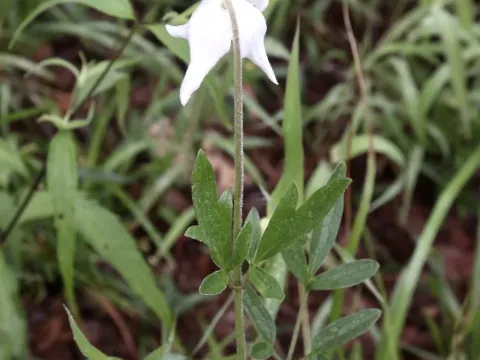
Clematis villosa
Clematis villosa
Clematis villosa is a perennial herbaceous plant belonging to the Ranunculaceae family. Native to the subtropical and tropical regions of Africa, this species has adapted to diverse climatic conditions, thriving in savanna-like environments where seasonal water availability varies.
What the section contains
Clematis villosa
The plant requires well-drained, nutrient-rich soil with a neutral to slightly acidic pH. Proper drainage is crucial, as the root system of Clematis villosa is highly susceptible to waterlogging, which can cause crown rot and permanent damage to the plant structure.
Optimal growth is achieved in full sun to partial shade. In warmer climates, it is beneficial to provide protection from the harsh midday sun to prevent leaf scorch and to keep the root zone cool, which is essential for the healthy physiological function of the plant.
Agricultural management involves regular irrigation that maintains consistent soil moisture without saturating it. Applying a thick layer of organic mulch around the base of the plant helps to retain moisture, suppress weeds, and regulate the temperature of the soil surface.
Propagation is typically achieved through seeds or careful division of the rootstock. When growing from seeds, cold stratification is often required to break dormancy and ensure high germination rates, making the process successful for both professional nurseries and home gardeners.
The most significant pathological threats to Clematis villosa include fungal infections like powdery mildew and various leaf spot diseases. These pathogens typically thrive in humid, stagnant conditions where air circulation is inadequate, leading to rapid foliage decline.
Pest management is focused on controlling aphids, mites, and nematodes. These insects and microorganisms can weaken the plant by feeding on sap or damaging the root system, ultimately leading to stunted growth, yellowing foliage, and diminished flower production.
Cultural control is the first line of defense; this includes pruning and destroying infected plant material, ensuring proper spacing between plants to encourage airflow, and maintaining a clean growing environment free of debris that can harbor spores.
Chemical intervention should be considered only when cultural practices fail to control the spread. Using systemic fungicides and targeted insecticides can effectively manage outbreaks, but it is vital to apply these products according to manufacturer guidelines.
Ongoing monitoring is essential for maintaining the health of the crop. Early detection of leaf discoloration or signs of insect activity allows for targeted treatments, significantly reducing the risk of permanent damage to the plant's overall architecture.