
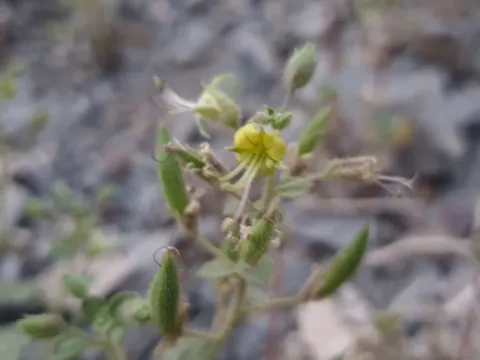
Cleome droserifolia
Cleome droserifolia
Cleome droserifolia belongs to the Cleomaceae family and is recognized as a hardy perennial shrub adapted to extreme desert environments. It is native to arid regions across the Middle East and parts of North Africa, thriving in rocky and sandy habitats.
What the section contains
Cleome droserifolia
The plant is categorized as a true xerophyte, which enables it to withstand prolonged drought periods. Its physical structure is defined by glandular hairs that give the foliage a sticky, dew-like appearance, serving as a critical adaptation to prevent excessive water loss.
For cultivation, the species requires high levels of solar radiation and warm temperatures. Soil composition should be primarily mineral, with excellent drainage properties to prevent any moisture buildup near the root zone, which is fatal to the plant.
Agronomic management of this crop focuses on replicating its natural environment. It does not require fertilizers in the traditional sense, as it is evolved to extract nutrients from poor, saline, or alkaline soils common in desert areas.
The agricultural and economic significance of Cleome droserifolia is largely tied to its phytochemical profile. It has been the subject of research for its potential use in treating metabolic disorders, including diabetes, due to the presence of potent bioactive secondary metabolites.
Pathogenic threats are minimal in the natural habitat but increase significantly under cultivation. The primary concern is root rot caused by irrigation errors or poor field drainage, which can rapidly compromise the integrity of the plant tissues.
Pest pressure is generally low. The plant's unique chemical defense mechanism, including the sticky glandular secretions, acts as a natural deterrent against common agricultural pests, reducing the need for synthetic pesticide applications.