
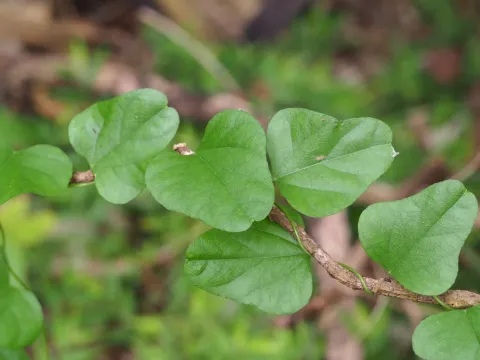
Cocculus trilobus
Cocculus trilobus
Propagation of Cocculus trilobus is typically performed via seeds or stem cuttings in early spring. Seeds should be sown in well-drained soil following a stratification period, which is essential for improving germination rates in temperate climates.
What the section contains
Cocculus trilobus
The optimal time for outdoor sowing is the second half of spring, once the threat of night frost has passed and the soil temperature has warmed to 15–18 degrees Celsius.
For cutting propagation, semi-hardwood shoots should be selected in early summer. These are placed in a lightweight growing medium, ensuring high atmospheric humidity to facilitate successful rooting in greenhouse conditions.
Maintaining proper spacing between plants during installation is crucial, as the vines exhibit rapid growth and can reach several meters in length within a single growing season.
Using growth stimulants to pre-soak seeds can significantly accelerate germination, resulting in more uniform emergence and strengthening the root systems of the young plants.
Cocculus trilobus is a member of the Menispermaceae family, naturally occurring in moist forest margins and shrublands throughout East Asian countries, including Japan, China, and Korea.
This crop requires sunny or semi-shaded locations with protection from strong, cold winds. The plant possesses moderate frost resistance but benefits from protective coverage in regions with severe winters.
The soil should be fertile, well-drained, and maintain a neutral to slightly acidic pH. Waterlogging in the root zone is detrimental to the vine; therefore, on heavy clay soils, a substantial drainage layer is necessary.
During the active growth phase, the crop requires regular irrigation, particularly during dry summer months. Drip irrigation is highly recommended to maintain stable moisture levels without surface water saturation.
Providing vertical support is essential for healthy development. Garden trellises, mesh fencing, or arches are ideal structures that allow the vine to maximize its leaf area for efficient photosynthesis.
Economic utilization of Cocculus trilobus focuses on extracting biologically active substances, such as the alkaloid trilobamine, from the stems and rhizomes of the plant.
Harvesting of plant material is conducted in autumn when the concentration of active compounds reaches its peak, following the seasonal nutrient translocation from the leaves to the root system.
The average phytomass yield depends on the intensity of agricultural management, light levels, and the quality of fertilization. Commercial cultivation typically follows a 3–4 year development cycle.
Post-harvest, the raw material must undergo immediate drying under controlled temperature conditions to preserve the therapeutic properties of the alkaloids for pharmaceutical manufacturing.
Beyond pharmacology, the plant is highly valued in vertical landscaping for its dense, ornamental foliage, serving as an effective, fast-growing "green screen" in garden designs.
Primary phytosanitary risks are associated with excessive humidity, which can trigger fungal diseases of the root system, including various forms of root rot.
In densely planted areas, powdery mildew may occur. Preventive measures include adhering to recommended planting densities and performing timely pruning of old shoots to enhance air circulation.
Common pests include spider mites and aphids, which damage young leaves and shoots, significantly reducing both the aesthetic appeal and the overall productivity of the crop.
The use of systemic bio-insecticides is recommended to control pest populations, providing long-term protection without the accumulation of harmful toxins within the plant tissues.
Regular inspection of the undersides of the leaves allows for the early detection of infestation sites, enabling growers to contain and manage potential infections before they spread across the agro-ecosystem.