
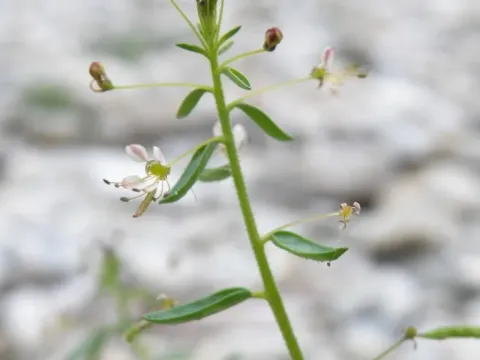
Cleome circassica
Cleome circassica
The sowing process for Cleome circassica typically begins in late spring, once the danger of late frosts has completely passed. The soil temperature should reach at least 15 degrees Celsius to ensure successful germination of the seeds.
What the section contains
Cleome circassica
For gardeners looking to extend the blooming season, starting seeds indoors 6 to 8 weeks before the last frost date is standard practice. This method allows plants to establish a strong root system before being moved outdoors.
Seeds should be sown at a shallow depth of approximately 0.5 centimeters in a well-draining, nutrient-rich potting medium. Keeping the substrate consistently moist but not saturated is crucial for the germination phase.
Once seedlings have reached a size where they are easy to handle, they can be transplanted into larger containers or hardened off for garden planting. Gradually exposing them to outdoor conditions is key to reducing transplant shock.
Spacing is an important consideration during the planting phase. Providing each plant with 30 to 40 centimeters of space ensures proper airflow, which is vital for preventing the development of humidity-related pathogens.
Cleome circassica is a sun-loving plant that thrives in full exposure to sunlight. It requires at least six to eight hours of direct light daily to maintain its structural integrity and produce abundant flowers.
The ideal soil profile for this species includes well-drained, fertile soil with a neutral to slightly alkaline pH. Heavy soils should be amended with organic matter such as peat or well-rotted compost to improve aeration.
While the plant shows moderate drought tolerance, consistent moisture is required during the peak growth months. Watering should be directed at the base of the plant to keep the foliage dry and prevent fungal issues.
Nutrient management is essential, with an application of balanced, slow-release fertilizer at the start of the season providing the necessary support for sustained growth. Avoid high-nitrogen fertilizers which can lead to excessive foliage growth.
The plant performs best in locations protected from strong, gusty winds that can damage its tall, slender stems. In more exposed garden areas, providing physical support or staking is recommended to maintain a neat appearance.
Powdery mildew represents the primary threat to Cleome circassica in environments with poor air circulation or high nocturnal humidity. Prevention includes choosing sunny planting locations and avoiding overhead irrigation.
Root rot is a common physiological problem resulting from waterlogged conditions. Ensuring that the soil remains well-draining throughout the life cycle of the plant is the best prophylactic measure against this issue.
Aphids are frequent pests that congregate on the tender growing tips and flower buds. Infestations should be managed early with insecticidal soaps or neem oil applications to avoid significant damage to the floral displays.
Spider mites can be particularly problematic during periods of prolonged heat and low humidity. Monitoring the underside of leaves for fine webbing allows for early intervention before the infestation becomes severe.
- Regular monitoring of plant health.
- Sanitation by removing decaying plant matter.
- Crop rotation to reduce soil-borne disease risk.
- Timely application of organic pest controls.
- Proper thinning of overcrowded seedlings.