
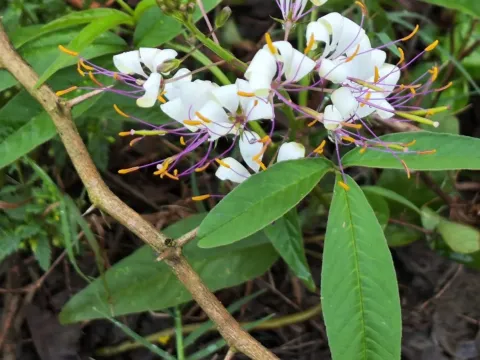
Cleome aculeata
Cleome aculeata
Sowing of Cleome aculeata seeds for seedlings begins in late March or early April in a controlled indoor environment to ensure uniform germination.
What the section contains
Cleome aculeata
It is crucial to maintain a steady temperature range of 20 to 22 degrees Celsius during the initial stages of seedling development.
Direct outdoor sowing is only recommended in regions with a long frost-free season, as the plant is highly sensitive to cold soil temperatures.
Seedlings should be transplanted with care, ensuring the root ball remains intact to prevent transplant shock, which can delay plant maturation.
Proper spacing during planting is essential for healthy airflow, which helps in preventing fungal infections in the later stages of plant growth.
Cleome aculeata is a member of the Cleomaceae family, known for its specific requirements regarding solar exposure and soil composition.
The plant thrives in well-drained, fertile soil that provides enough organic matter to support its rapid growth during the summer months.
Consistent light exposure is the primary driver of successful development, as shading leads to weakened stems and reduced flower production.
While the plant shows some drought tolerance once established, regular irrigation is advised during peak heat to maintain optimal physiological functions.
Applying balanced fertilizers during the vegetative stage ensures high vigor and improves the overall structural integrity of the plant stalks.
Aphids represent the most significant pest threat to Cleome aculeata, often congregating on the succulent parts of the plant and damaging buds.
Powdery mildew can become a critical issue if air circulation is restricted or if plants are grown in overly humid and stagnant conditions.
Root rot, driven by excessive soil moisture, remains the most frequent cause of mortality for this species in poorly drained environments.
Spider mites may manifest during dry spells, requiring vigilant monitoring and timely application of acaricides to protect the leaf surface.
Effective management strategies include integrated pest control, ensuring proper spacing, and monitoring plant health to detect early signs of infestation.