
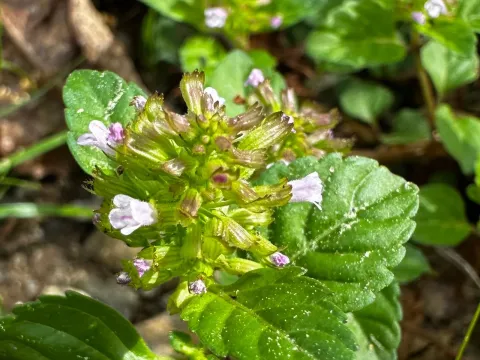
Clinopodium confine
Clinopodium confine
Clinopodium confine is a perennial herb belonging to the Lamiaceae family, recognized for its distinct aromatic profile and potential utility in herbal and industrial applications.
What the section contains
Clinopodium confine
Botanically, it features a semi-woody stem structure with opposite leaf arrangement and small, dense inflorescences that develop during the late spring to summer months.
The crop thrives in well-drained, alkaline-to-neutral soils, showing a preference for rocky or loamy textures that prevent water saturation at the root level.
Cultivation requires full sun exposure to maximize the synthesis of essential oils and secondary metabolites, which are crucial for the commercial value of the harvest.
Regarding climate, the plant prefers temperate conditions with moderate rainfall; however, it demonstrates significant resilience to temporary dry spells once the plant is established.
The primary agricultural threats to Clinopodium confine include root rot diseases caused by soil-borne fungi if the field is poorly drained or during prolonged humid weather.
Insect pests, particularly aphids and spider mites, pose a risk during the early developmental stages, often requiring biological control methods to maintain organic standards.
Weed competition is a significant factor in the early stages of establishment, necessitating manual or mechanical inter-row cultivation to ensure the crop receives sufficient nutrients.
Fungal leaf spot pathogens can manifest during high humidity, which can be mitigated by ensuring adequate spacing between plants to improve airflow and microclimate conditions.
Effective management includes maintaining a strict crop rotation schedule to break the life cycles of soil pathogens and pests specific to the Lamiaceae family.