
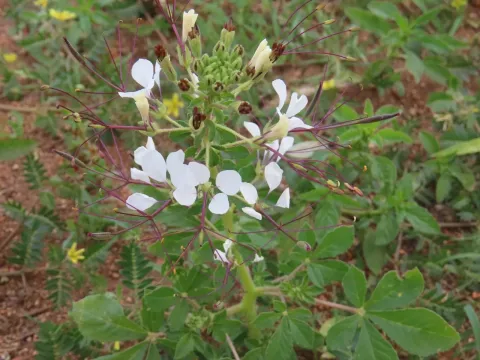
Cleome hassleriana
Cleome blumeana
Cleome hassleriana is typically propagated from seeds. For areas with shorter growing seasons, starting seeds indoors 6 to 8 weeks before the last frost date is recommended to ensure robust plant development.
What the section contains
Cleome hassleriana
Seeds require warm conditions to germinate effectively. Maintaining a constant temperature of approximately 20–25 degrees Celsius and high humidity will significantly improve germination rates in seed trays.
For direct seeding in warmer climates, seeds should be sown once the soil temperature has reliably warmed up. The seeds need a shallow covering of soil to protect them from drying out while ensuring they receive enough light to trigger growth.
Thinning the seedlings is essential to allow adequate airflow between plants. Proper spacing prevents overcrowding, which is a major factor in reducing the risk of fungal infections later in the season.
Hardening off the transplants is a critical step before moving them into the open ground. Gradually exposing young plants to outdoor conditions helps them acclimate to temperature fluctuations and wind stress.
As a member of the Capparaceae family, Cleome hassleriana thrives in full sun exposure. It requires at least six to eight hours of direct sunlight daily to produce its signature voluminous blooms.
The ideal soil for this crop is fertile, well-draining, and rich in organic matter. While it tolerates various soil types, avoid heavy clay or poorly drained soils where water logging can easily occur.
Consistent moisture is needed, especially during the peak of the flowering season. While the plant is somewhat drought-tolerant once established, supplemental watering ensures larger flowers and healthier foliage.
Regular fertilization with a balanced NPK fertilizer supports continuous growth. A light application of compost at the beginning of the season provides the necessary nutrients for sustained long-term performance.
Due to the plant's height, protection from strong winds is advisable. In exposed areas, planting near fences or using natural barriers can provide the necessary stability to keep the stalks upright.
Aphids are the most common pests affecting Cleome hassleriana. These small insects feed on sap and can cause leaf curling, which may severely impact the overall aesthetic appeal and vigor of the plant.
Spider mites may become a problem during hot, dry spells. They thrive in low-humidity environments, so maintaining proper soil moisture and occasional foliage misting can act as a natural deterrent.
Powdery mildew is the primary fungal concern, particularly when nights are cool and days are humid. Ensuring good plant spacing is the most effective preventative measure against this specific pathogen.
Integrated pest management, including the use of neem oil or insecticidal soaps, is effective for controlling minor infestations. Always apply these treatments during cooler parts of the day to avoid leaf burn.
Early detection is vital for the successful management of any biological threats. Regular monitoring of the underside of leaves and new growth tips will help catch and resolve potential issues before they spread.