
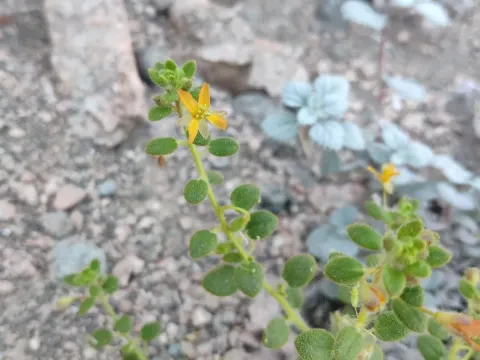
Cleome chrysantha
Cleome chrysantha
Cleome chrysantha is a notable plant species belonging to the Capparaceae family. It is characterized by its remarkable resilience, specifically evolved to thrive in arid and semi-arid environments of Northern Africa and the Middle East.
What the section contains
Cleome chrysantha
The plant demonstrates significant xerophytic adaptations, allowing it to flourish under intense solar exposure where other crops might suffer from heat stress. High temperatures are a key requirement for its active vegetative development.
Soil structure is paramount for the health of Cleome chrysantha. The crop demands well-drained, porous soil types such as sandy loams to prevent root asphyxiation, which is a common cause of failure in poorly managed plots.
While the species is naturally adapted to nutrient-poor soils, agricultural trials suggest that controlled fertilization during the flowering initiation phase can enhance seed production and overall plant vigor.
The plant is highly sensitive to waterlogging. Careful site selection, focusing on areas with natural elevation or efficient drainage systems, is necessary to ensure optimal productivity throughout the season.
Seeding of Cleome chrysantha should be initiated once the soil temperature is stable and warm. Cold soil conditions inhibit germination and can lead to seed rot due to prolonged dormancy in damp substrates.
For cultivation in regions with shorter growing periods, starting seeds indoors using controlled temperature conditions is recommended. This ensures that seedlings are ready for transplanting as soon as the danger of frost has passed.
Seeds should be covered with a very thin layer of substrate. Given the size of the seeds, depth management is critical; burying them too deeply often results in poor emergence rates.
Proper plant spacing is vital to ensure adequate air circulation. High-density planting without sufficient thinning can lead to increased humidity around the lower stems, promoting disease outbreaks.
After transplanting, the root system requires time to establish. Minimal disturbance to the roots during this phase is essential, as the plant does not react well to transplant shock.
Fungal diseases are the primary threat to the crop, especially in conditions of high humidity or poor soil drainage. Root rot and collar rot are the most destructive ailments reported in agricultural environments.
Aphids are significant pests that often cluster on the soft, growing tips of the plants. Their feeding causes distortion of the leaves and can act as a vector for various viral diseases.
Spider mites can become a major issue during periods of drought and high heat. These pests thrive in dry conditions and can cause significant damage if the plant's natural defense mechanisms are weakened.
Integrated pest management (IPM) strategies, including the use of neem-based products or soft soaps, are recommended to control insect populations while protecting the plant's health.
Consistent monitoring and the removal of infected plant debris are necessary to prevent the buildup of pathogen populations within the field, ensuring the longevity of the crop yield.