
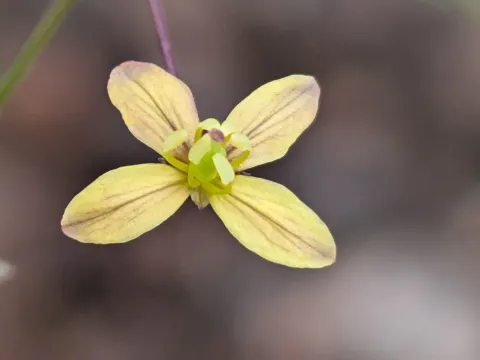
Cleome aspera
Cleome aspera
Cleome aspera is a thermophilic species, which requires warm soil conditions for successful germination, making it unsuitable for early spring sowing in cold regions.
What the section contains
Cleome aspera
The seeds should be sown in a well-prepared seedbed, ensuring that the soil surface is fine-textured to allow the small seeds to establish good soil contact.
Starting the crop in a greenhouse or nursery trays before transplanting is a recommended practice to ensure a stronger stand in the field during the growing season.
Spacing between plants must be carefully calculated to prevent overcrowding, which could lead to increased humidity around the foliage and potential disease outbreaks.
Adequate moisture must be maintained during the initial stages of germination to ensure uniform emergence of the seedlings across the planted area.
This crop thrives in areas with high solar exposure, as it requires intense light to reach its maximum growth potential and develop healthy tissues.
The soil should be well-drained and light-textured, as the plant is highly sensitive to waterlogging which can quickly compromise the root system health.
Cleome aspera exhibits moderate tolerance to dry spells but performs significantly better when irrigation is provided during critical developmental stages.
Fertilization regimes should focus on providing a balanced supply of essential nutrients to support both vegetative growth and the reproductive cycle.
Wind protection is essential for this species, as high velocity winds can cause lodging or mechanical damage to the elongated flowering stalks.
Root rot remains the most significant threat to this crop, often resulting from poorly drained soils or excessive irrigation practices that create anaerobic conditions.
Fungal pathogens such as powdery mildew can develop rapidly if the planting density is too high, leading to reduced photosynthetic capacity of the leaves.
Aphids and spider mites are common pests that target the plant, potentially causing stunting and yellowing of the foliage during the peak summer months.
Integrated pest management strategies, including the use of targeted biological controls, are recommended to minimize the reliance on chemical interventions.
Regular monitoring of the fields for early signs of infestation is vital to allow for prompt management actions before the pest populations reach critical levels.