
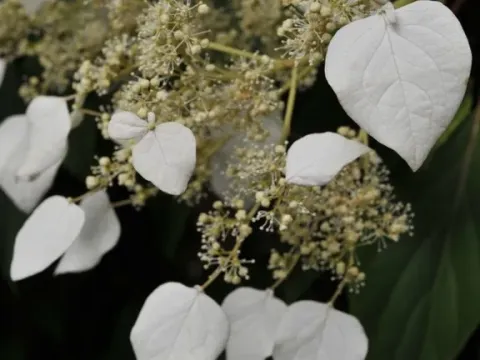
Clematoclethra integrifolia
Clematoclethra integrifolia
Propagation of Clematoclethra integrifolia is typically achieved through seeds, which require a cold stratification period to break dormancy and ensure uniform germination.
What the section contains
Clematoclethra integrifolia
Seeds should be sown in early spring into a well-draining, nutrient-rich substrate, keeping the soil consistently moist but not waterlogged during the process.
Vegetative propagation via semi-hardwood cuttings taken in mid-summer is an effective method to maintain the specific characteristics of the parent plant.
Cuttings require a controlled environment with high humidity and indirect light to facilitate the development of a healthy root system before transplantation.
Young plants are sensitive to environmental stress and should be protected during their first growing season to ensure vigorous establishment in their permanent location.
Clematoclethra integrifolia is a woody vine belonging to the Actinidiaceae family, native to the mountain forest regions of China, where it grows in humid conditions.
The species thrives in rich, slightly acidic, and loamy soils that offer excellent drainage while retaining enough moisture for steady growth.
As a vigorous climber, this plant necessitates vertical support structures, such as trellises or sturdy fences, to express its natural climbing habit fully.
In terms of light exposure, the plant prefers dappled shade or partial sun, avoiding scorching midday light that can dry out the foliage and roots.
Temperature requirements involve a temperate climate, and while the plant is somewhat hardy, root mulching is recommended in colder zones to prevent winter damage.
Fungal pathogens are the primary concern for this species, especially if the site lacks sufficient air circulation or if the soil remains excessively wet.
Pests such as spider mites can infest the leaves during dry spells, which necessitates frequent monitoring and the application of suitable horticultural soaps if needed.
Root rot is a significant risk caused by overwatering or poor drainage, which can rapidly compromise the health of the climbing vine.
Regular maintenance including the removal of dead or crossing branches helps to improve airflow and reduces the microclimate suitable for fungal growth.
Practicing good sanitation, such as removing fallen leaves at the end of the season, is essential for reducing the risk of recurring pest or disease outbreaks.