
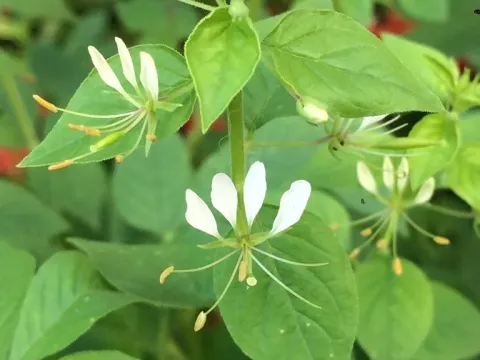
Cleome diffusa
Cleome diffusa
Cleome diffusa is a thermophilic plant that requires early sowing in a greenhouse or indoor environment, typically starting in late March to early April.
What the section contains
Cleome diffusa
Seeds should be sown on the surface of the growing medium, as they require light for optimal germination rates and high seedling vigor.
Once true leaves develop, seedlings are transplanted into individual pots to prevent root crowding and encourage the development of a strong, healthy root ball.
Transplanting to the final field location must wait until soil temperatures have consistently increased and all danger of frost has passed in the spring.
Spacing should be strictly maintained at 40 to 50 centimeters between plants to allow for sufficient air circulation, which is vital for disease prevention.
This species belongs to the Cleomaceae family and thrives in full sun exposures, which are necessary for the development of its distinctive inflorescences.
Well-draining, loose, and fertile soil is preferred to prevent water stagnation, as the root system of Cleome diffusa is sensitive to anaerobic conditions.
Regular irrigation is needed during establishment, though it is crucial to allow the soil surface to dry slightly between watering events to avoid rot.
Nutrient supplementation should be managed with balanced fertilizers, ensuring that excess nitrogen does not result in excessive vegetative growth at the expense of flowering.
The plant adapts well to various climatic zones provided that soil moisture is managed effectively and the local humidity levels remain within moderate ranges.
Powdery mildew represents a primary fungal threat, particularly in environments with poor ventilation or high levels of humidity around the foliage.
Common horticultural pests such as aphids and spider mites frequently colonize the tender growth, requiring vigilant monitoring and integrated pest management.
Root rot pathogens may become prevalent if the cultivation site is poorly drained or if irrigation schedules are not properly calibrated to plant needs.
Sanitation practices, including the removal of debris and control of adjacent weed populations, are essential for maintaining the overall health of the crop.
Effective management includes the use of certified fungicides and insecticides at the first signs of stress to prevent widespread infection across the planting bed.