
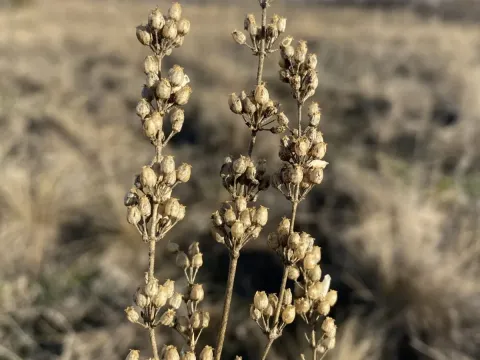
Silene borysthenica
Silene borysthenica
Silene borysthenica belongs to the Caryophyllaceae family and is recognized for its adaptation to sandy and nutrient-poor soils. It is typically found in steppe regions, where it displays significant resilience to harsh environmental conditions and low water availability.
What the section contains
Silene borysthenica
The plant thrives in well-drained, loose soils with a neutral or slightly acidic pH level. It is highly intolerant of waterlogging, which often leads to root rot and complete failure of the stand if soil drainage is inadequate.
As a light-demanding crop, it requires open areas without any shading. Exposure to direct sunlight is essential for the development of strong, healthy stems and the maturation of seeds, especially in temperate climatic zones.
Morphologically, the plant has a taproot system that allows it to access deeper soil moisture reserves. This trait makes it a suitable candidate for stabilizing sandy soils and maintaining biodiversity in marginal agricultural lands.
Climatic requirements are centered around high heat summation during the summer months. The species is capable of withstanding the impact of hot winds, provided the root system remains established in loose, permeable substrate.
The primary threats include fungal pathogens such as Fusarium, which targets the root zone in compacted or over-irrigated soils. Crop rotation is the most effective management strategy to minimize the build-up of soil-borne pathogens.
Pests such as noctuid caterpillars and aphids may infest the foliage during the peak growing season. Constant monitoring of leaf health is necessary to prevent significant yield losses, particularly during the flowering stage.
Powdery mildew can become a significant issue during periods of high humidity combined with stagnant air. Maintaining appropriate plant spacing and controlling weed density are critical for improving airflow and preventing outbreaks.
The use of Integrated Pest Management (IPM) practices, including the release of beneficial insects and the application of microbial pesticides, provides a sustainable alternative to conventional synthetic chemical treatments.
Proper harvest sanitation is required to remove plant debris from the field. Leaving residue in the field can harbor fungal spores and insect eggs, increasing the risk of re-infestation in the following cropping cycle.