
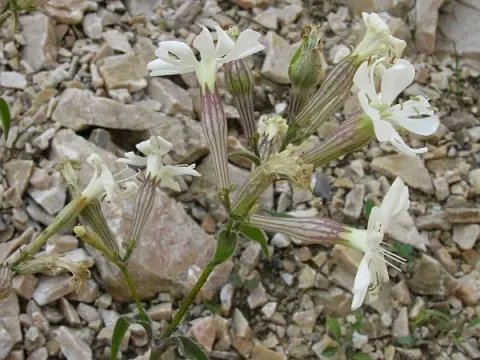
Silene badaroi
Silene badaroi
Silene badaroi is a unique botanical species belonging to the Caryophyllaceae family. While it is not a large-scale agricultural commodity, its cultivation requires specialized knowledge to manage its growth cycles and ensure high-quality production of its seeds or vegetation.
What the section contains
Silene badaroi
The sowing process should be initiated in early spring once soil temperatures have consistently reached 8–10 degrees Celsius. Given the small size of the seeds, they should be sown shallowly, ideally at a depth of no more than 1.5 centimeters, to facilitate rapid germination.
Precision sowing is recommended to ensure that each plant receives enough space to develop its root structure fully. Row spacing should be maintained between 25 and 30 centimeters to ensure proper air circulation and to minimize the risk of competition between plants.
Constant soil moisture during the first weeks following germination is vital. If local conditions are dry, gentle irrigation is necessary to support the establishment of the delicate seedlings before they develop a deep, drought-resistant root system.
For regions with harsh winters, sowing can be conducted in the late autumn, allowing the seeds to undergo natural stratification in the soil. This practice often results in more robust growth during the following spring season.
Silene badaroi thrives in well-drained, porous soils, particularly those with a calcareous or rocky composition. These conditions mirror the plant's native habitat, making it highly susceptible to root damage if the soil remains waterlogged for extended periods.
The plant is highly photophilous and requires full sun exposure throughout the day to achieve its maximum growth potential. Excessive shading not only restricts growth but also increases the likelihood of fungal diseases due to lower evaporation rates.
Regarding fertilization, the focus should be on phosphorus and potassium, which enhance the plant's structural integrity and reproductive health. High-nitrogen fertilizers should be avoided as they may lead to excessive leafy growth, making the plant less resilient to environmental stressors.
Temperature management is key, as Silene badaroi prefers moderate climates with significant temperature fluctuations between day and night. Providing a clean, weed-free environment is essential for the plant to thrive without competition from faster-growing vegetation.
The crop can be used in various ways, ranging from specialized botanical research to serving as a pollinator-friendly plant that supports local insect populations. Its role in ecological restoration projects is also being increasingly recognized by specialists.
Fungal pathogens such as powdery mildew and root rot represent the primary agricultural threats to Silene badaroi. These issues are most frequently associated with inadequate drainage and poor air circulation within the plant canopy during humid conditions.
Insects like aphids and spider mites can infest the crop, causing damage to the foliage and inhibiting photosynthesis. Regular scouting of the field is necessary to detect these pests early and prevent them from reaching damaging population thresholds.
Effective prevention strategies include crop rotation and the removal of botanical debris following the harvest. By eliminating potential overwintering sites for pathogens and pests, farmers can significantly reduce the need for chemical intervention.
Integrated Pest Management (IPM) practices, including the use of biological control agents and targeted, low-toxicity treatments, are recommended for maintaining the health of the planting. This approach ensures that the crop remains healthy while minimizing the environmental impact.
- Implement strict crop rotation schedules.
- Ensure soil drainage is optimal.
- Control weed populations surrounding the field.
- Monitor the crop for early pest signs.
- Apply fungicides only when strictly necessary.