
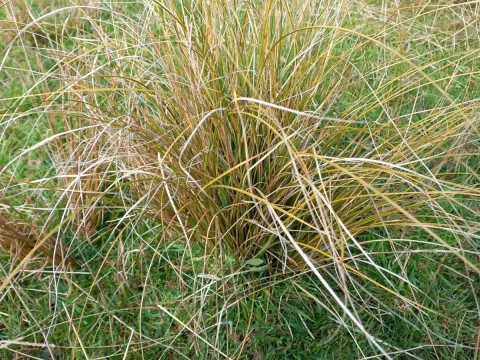
Carex flagellifera
Carex flagellifera
Carex flagellifera, commonly known as the bronze sedge, is a perennial grass species belonging to the Cyperaceae family. It is native to New Zealand, where it thrives in rocky terrain and open, sunny hillsides.
What the section contains
Carex flagellifera
This plant is characterized by its fountain-like habit, featuring slender, arching leaves that typically range in color from copper-bronze to olive-green. It usually reaches a height of about 30 to 50 centimeters.
To cultivate Carex flagellifera successfully, you should choose a site with full sun or partial shade. The soil must be well-drained, as the plant does not tolerate waterlogged conditions, which can lead to root damage.
The plant is adapted to moderate climates but may require protection in regions with harsh winters. It is highly valued in horticulture for its unique texture and year-round color, providing a distinct contrast in landscape design.
The main horticultural application is in ornamental gardening. It is frequently used in rock gardens, along paths, or as a focal point in containers, especially where a drooping, cascading effect is desired.
Carex flagellifera is generally considered a low-maintenance plant, though it remains susceptible to root rot if the growing medium remains consistently saturated, especially during dormant periods.
Pests are rarely a significant concern, although aphids can occasionally infest the plant under poor ventilation or high-humidity conditions. Standard horticultural inspections are usually sufficient to manage these issues.
Maintenance involves routine grooming. Removing dead foliage in the early spring is essential to ensure proper air circulation and to prevent the buildup of pathogens within the center of the clump.
While the plant is hardy, it does not favor heavy, compacted soils. Improving soil structure with organic matter or grit before planting is a proactive measure against most moisture-related ailments.
Overall, keeping the plant healthy requires minimal intervention. Proper spacing and avoiding over-irrigation are the most critical factors in preventing potential botanical threats.