
Cassiope hypnoides
Cassiope hypnoides
Description
Growing requirements
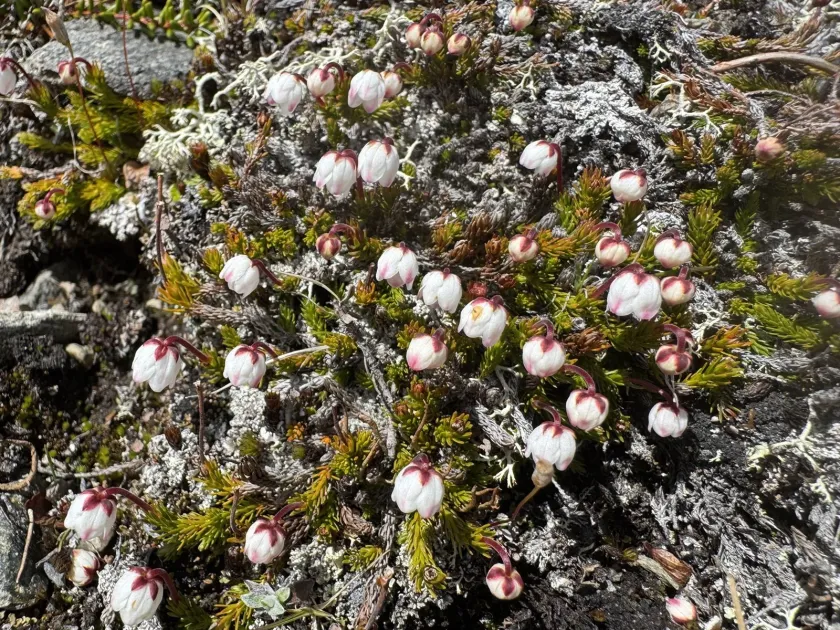
Cassiope hypnoides, commonly known as moss-heather, is a dwarf evergreen shrub belonging to the Ericaceae family. The plant is characterized by its moss-like appearance, featuring tiny, scale-like leaves closely appressed to creeping stems that form dense, low-growing mats.
The plant is native to the circumpolar Arctic and subarctic regions of Eurasia and North America. It thrives in extreme environments, including tundra habitats, snow beds, and rocky slopes where cool temperatures and high humidity are constant factors throughout the growing season.
Successful cultivation requires specific edaphic conditions, specifically acidic soils with high organic matter content and excellent drainage. Like many ericaceous plants, it relies heavily on mycorrhizal associations in the roots to absorb essential nutrients effectively.
The agrotechnical requirements for this species are focused on mimicking its natural alpine environment. It demands cool, shaded locations with protection from intense afternoon sunlight, as the plant is highly sensitive to soil heating and moisture stress.
The primary horticultural use of Cassiope hypnoides is limited to specialized rock gardens and alpine collections. Due to its slow growth rate and demanding nature, it is considered a prestige plant for expert gardeners who can manage precise environmental conditions.
Main diseases and pests
The most significant threat to Cassiope hypnoides in cultivation is root rot caused by poor soil drainage in combination with high ambient temperatures. Maintaining a cool root run is essential to prevent physiological decline and fungal pathogens from establishing.
While pests are generally uncommon in the wild, plants grown in greenhouse or confined conditions may be susceptible to spider mites. Maintaining adequate ventilation and avoiding stagnant air are the primary preventative measures against common indoor garden threats.