
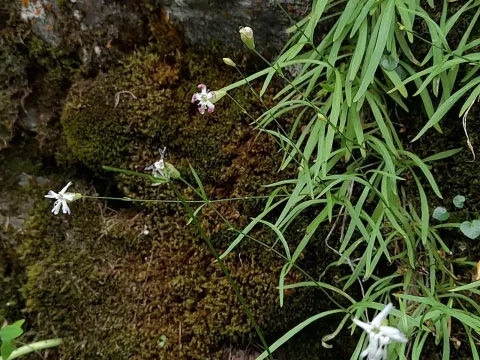
Silene campanula
Silene campanula
Silene campanula is a perennial herbaceous plant belonging to the Caryophyllaceae family. Native to the mountainous regions of the Pyrenees, this plant is well-adapted to high-altitude environments and rocky soil conditions.
What the section contains
Silene campanula
The plant features a basal rosette of leaves and produces distinct bell-shaped flowers, which are characteristic of this species. Its small size and trailing habit make it a prized specimen for specialized rock gardens and alpine collections.
Regarding soil requirements, Silene campanula thrives in well-drained, gritty, or stony substrates. It is essential to ensure the soil is slightly alkaline and never retains excessive moisture, as the roots are sensitive to waterlogging.
Climatically, this species prefers cool environments with plenty of sunlight. It is hardy in cold temperatures but struggles in intense heat or high humidity, making it suitable for gardeners in regions with moderate summer temperatures.
The main horticultural use of this plant is ornamental. It is highly valued in rock gardening for its neat appearance, compact growth, and the delicate beauty of its blossoms during the flowering season.
The primary threats to Silene campanula are fungal diseases associated with poor drainage. Root rot is the most common issue, especially when the plant is kept in containers with heavy soil or in garden spots that do not drain effectively.
Aphids can be a significant pest, particularly during the growth phase when they cluster on the succulent stems and flower buds. Early detection is key, and manual removal or insecticidal soap can be effective control measures.
Spider mites are also known to affect the plant, particularly during dry and warm weather conditions. Keeping the plant hydrated and providing good air circulation can help prevent large-scale infestations.
Gastropods, such as slugs and snails, may graze on the foliage. Protecting the plant with gravel mulch or physical barriers is a standard practice in rock garden maintenance to prevent these pests from reaching the leaves.
Overall plant health is best maintained through proper site selection and minimal disturbance. Regular monitoring for signs of wilt or discoloration allows for early intervention, ensuring the long-term success of the plant in a landscape setting.