
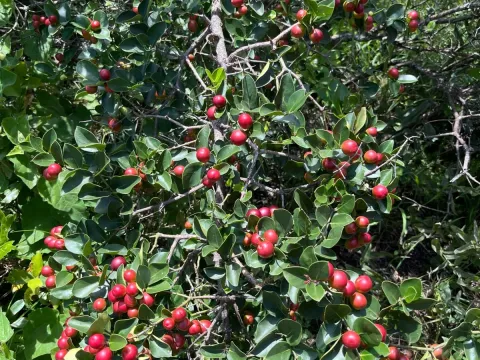
Carissa edulis
Carissa edulis
Carissa edulis, commonly known as the Natal plum or Arabian num-num, is a hardy evergreen shrub belonging to the Apocynaceae family. It is native to tropical Africa and the Arabian Peninsula, well-adapted to savanna and dry forest ecosystems.
What the section contains
Carissa edulis
This crop thrives in well-drained, fertile soil with a pH range between 6.0 and 7.5. It is notably drought-tolerant once established, making it suitable for regions with irregular rainfall patterns.
Optimal growth requires full sun exposure. While the plant can tolerate partial shade, maximum fruit yield is only achieved under direct sunlight, which stimulates floral development and ensures fruit quality.
The plant prefers warm climatic conditions and does not tolerate severe frost. Temperatures between 20°C and 30°C provide the ideal environment for both vegetative growth and fruit maturation.
Propagation is typically achieved through seeds or semi-hardwood cuttings. Cuttings should be treated with rooting hormones to ensure successful establishment and faster development compared to seed-grown specimens.
Carissa edulis is highly valued for its edible fruits, which are rich in vitamin C and antioxidants. They are widely used in culinary applications, including jams, jellies, and fresh fruit salads.
The shrub is also a staple in agroforestry as a living fence. Its dense growth habit and strong, bifurcated thorns make it an excellent natural barrier against wildlife and livestock.
Pruning is a critical agronomic practice to maintain productivity. Regular thinning of inner branches improves airflow, reduces humidity-related diseases, and concentrates the plant's energy on fruit production.
The harvest period varies depending on regional climate conditions. In many areas, the shrub can produce fruits throughout the year, provided there is adequate moisture and nutrient availability.
Growers should handle the fruits carefully during harvest, as they are susceptible to bruising. Mechanical harvesting is rarely feasible due to the dense thorns, making hand-harvesting the standard method.
The most common pests affecting Carissa edulis are scale insects and spider mites. These pests thrive in dry conditions and can cause significant damage to foliage if left unchecked.
Root rot, caused by overwatering or poor soil drainage, is the primary disease threat. It is essential to ensure that the water drains freely away from the root zone to prevent fungal colonization.
Integrated Pest Management (IPM) strategies are recommended, utilizing beneficial insects to control populations of spider mites and applying horticultural oils for scale insects.
Nutrient deficiencies, particularly nitrogen and potassium, can weaken the plant's natural defense systems. Regular applications of balanced NPK fertilizers are necessary for sustained health and yield.
Good plantation hygiene, including the removal of dead or diseased branches, is vital. Keeping the area free of debris helps prevent the spread of soil-borne pathogens that might otherwise compromise the shrub's longevity.