
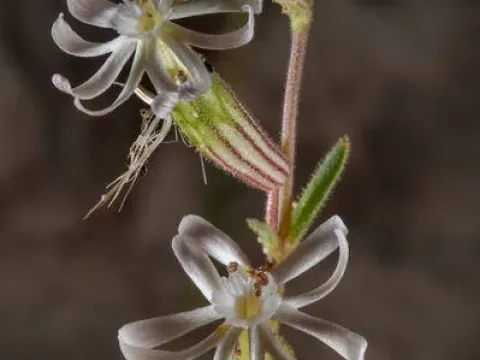
Silene arabica
Silene arabica
Silene arabica is a representative of the Caryophyllaceae family, known for its adaptability to specific ecological niches in arid and semi-arid regions.
What the section contains
Silene arabica
Sowing typically takes place in early spring, once the threat of heavy frost has passed and soil temperature is stable for germination.
Seeds should be sown in shallow furrows, ideally covered with a thin layer of soil, as light is a crucial factor for the emergence of young shoots.
Spacing between rows should be maintained at about 30 centimeters to allow for adequate air circulation and root development throughout the season.
Once seedlings have reached the two-leaf stage, they can be thinned to ensure each plant has enough space to grow into a robust specimen.
The plant thrives in well-drained, sandy or light loamy soils, showing a clear aversion to waterlogged conditions that can cause root decay.
Full sun exposure is a mandatory requirement for Silene arabica, as insufficient light will lead to spindly growth and reduced flowering performance.
This species is well-adapted to high-temperature environments and exhibits significant drought tolerance once it has established a strong root system.
Soil pH should ideally be neutral or slightly alkaline, as the plant is sensitive to highly acidic conditions that inhibit nutrient uptake.
Fertilization should be kept to a minimum, as excessive nutrients often lead to vegetative overgrowth at the expense of bloom production.
The primary threats to this culture are fungal diseases, particularly powdery mildew, which can spread rapidly under high humidity and poor ventilation.
Root rot is another significant concern, usually triggered by excessive irrigation or lack of proper drainage in the planting area.
Common insect pests include aphids and spider mites, which can cause severe damage if populations are left unchecked during the peak growing season.
Integrated pest management, including regular weeding and monitoring, is the most effective approach to minimize damage from potential infestations.
Applying appropriate fungicides and insecticides when thresholds are met is necessary for large-scale cultivation to ensure healthy yield and vitality.