
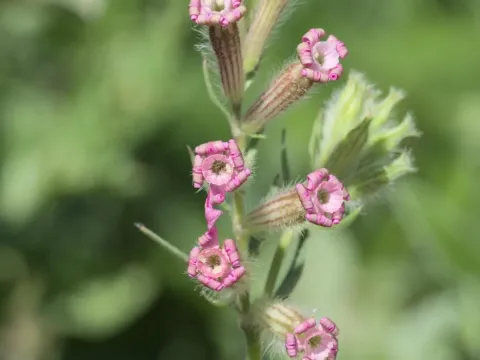
Silene bellidifolia
Silene bellidifolia
Silene bellidifolia is an annual herbaceous plant belonging to the Caryophyllaceae family. The sowing process is ideally scheduled for early spring, once the soil temperatures have consistently reached a range of 8 to 10 degrees Celsius.
What the section contains
Silene bellidifolia
The optimal planting window is generally from late March to mid-April, allowing the plants to capitalize on the moisture reserves accumulated during the winter season. Seeds should be planted at a shallow depth of 1–2 centimeters to ensure even germination.
In large-scale agricultural settings, row seeding is recommended with spacing between rows set at 15–20 centimeters. This provides sufficient space for root system development and facilitates easier weed management during the early growth stages.
Thorough preparation of the seedbed is essential for this species. Clearing the soil of competing weeds and ensuring a fine-textured surface are crucial steps that determine the success of the establishment phase for this crop.
While spring sowing is standard, growers in milder climates may experiment with late autumn sowing to encourage earlier growth in the following season. However, this is largely dependent on regional winter temperatures and snow cover stability.
The crop thrives in well-drained, sandy loam or light loam soils with a neutral to slightly alkaline pH. It is particularly valued for its resilience to dry conditions, reflecting its evolutionary adaptation to Mediterranean-type environments.
Adequate sunlight is a primary requirement for the healthy development of Silene bellidifolia. Exposure to full sun promotes vigorous vegetative growth and ensures the proper synthesis of nutrients within the plant tissues.
Nutrient requirements are relatively modest, as the plant is adapted to marginal soils. Nonetheless, small applications of nitrogen and phosphorus fertilizers during the early vegetative phase can significantly boost total biomass yield.
Heat tolerance is a defining feature of this species, making it a viable candidate for cultivation in arid regions where other forage crops might struggle. It maintains metabolic activity even during periods of high temperature and low precipitation.
Water requirements remain low to moderate. Excessive soil moisture, especially if combined with poor drainage, should be avoided as it may lead to the development of root rots and other physiological issues related to oxygen starvation.
Common pests affecting this species include various lepidopteran larvae, such as cutworms, which can consume leaf tissue and compromise the overall vitality of the stand. Regular field monitoring is required to detect early infestation.
Fungal diseases, notably powdery mildew, can appear under conditions of high relative humidity or poor air circulation. Implementing proper spacing between rows helps mitigate this risk by increasing the rate of evaporation and airflow.
Root rot represents a significant threat when the plant is grown in overly dense or poorly drained soil types. Adhering to strict crop rotation practices is the most effective preventative measure against soil-borne pathogens.
Leaf miners can also cause damage by creating tunnels within the foliage, which reduces the photosynthetic area. Preventive strategies include the maintenance of field hygiene and the protection of natural predatory insect populations.
Overall, a balanced approach combining crop rotation, adequate irrigation management, and timely scouting is sufficient to keep pest and disease levels below the economic threshold throughout the growing cycle.
The harvesting of green biomass should occur during the full flowering stage. At this phenological point, the concentration of essential nutrients is at its peak, providing the highest nutritional value for livestock or industrial use.
Mechanical harvesting with standard mowing equipment is suitable for this crop. Adjusting the cutting height is essential to avoid damaging the crown of the plant, which promotes potential regrowth and prevents soil compaction.
For seed production, harvesting is delayed until the fruit capsules reach full maturity and turn brown. This ensures that the seeds are fully developed and viable, which is critical for maintaining high germination rates for future planting.
Harvested material must be dried properly in the field or in controlled conditions to reduce moisture content. Proper drying prevents the onset of mold and degradation of proteins and vitamins within the plant mass.
Post-harvest processing involves threshing, cleaning, and drying the seeds to a moisture content of approximately 12–14%. Storing the material in cool, dry conditions ensures its longevity and maintains its agricultural quality for subsequent seasons.