
Silene borderei
Silene borderei
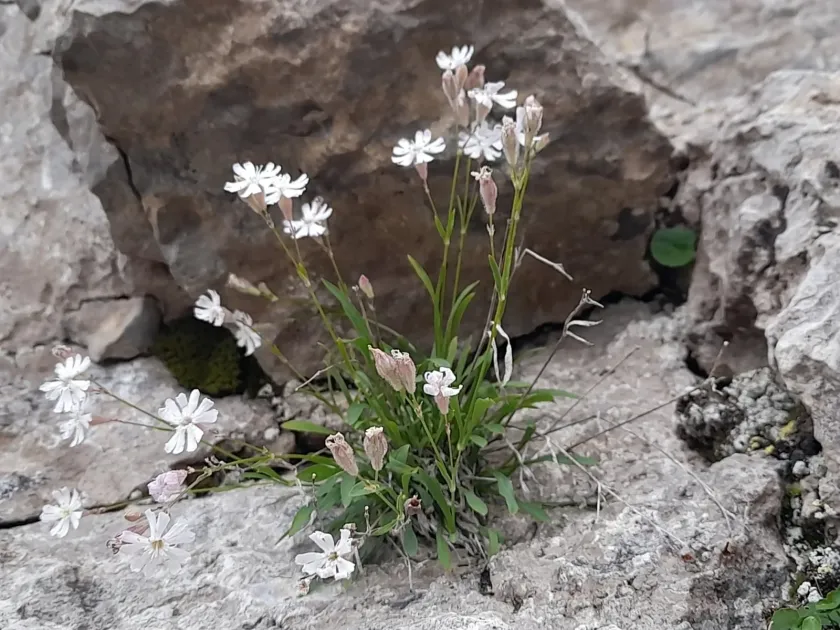
Description
Growing requirements
Silene borderei is a notable herbaceous perennial species belonging to the Caryophyllaceae family, recognized for its specific ecological niche.
Native to the high-altitude regions of the Pyrenees, this plant has evolved to thrive in harsh mountain climates and specialized stony environments.
The cultivation of this species requires well-draining, limestone-rich soils, which effectively mimic the natural alpine substrates of its origin.
Exposure to direct sunlight is essential for the healthy development of the plant, as it is naturally adapted to the high UV levels found at high altitudes.
Agrotechnical management must prioritize moisture control, as the plant is extremely intolerant of waterlogged conditions which often lead to physiological decline.
Main diseases and pests
The primary threats to Silene borderei are fungal pathogens, specifically those that manifest in root systems due to poor soil drainage or excessive irrigation.
Root rot is the most common cause of failure in cultivation, necessitating strict adherence to dry-root conditions during the plant's dormant periods.
Insect pests, including various larvae species, can cause significant damage to the foliage, especially when plants are grown in confined or sheltered environments.
Aphid infestations are also a recurring concern, as they weaken the plant and serve as potential vectors for further horticultural complications.
Effective management involves consistent monitoring for early signs of wilting or discoloration, followed by immediate adjustment of the growing environment.