
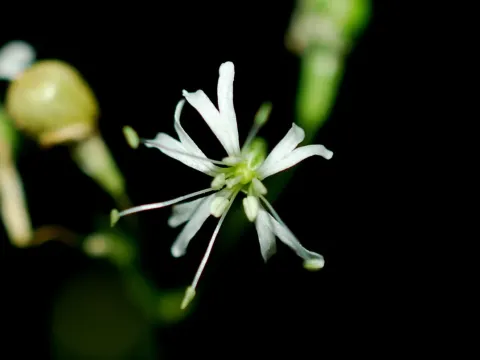
Silene catholica
Silene catholica
Silene catholica, a member of the Caryophyllaceae family, is a herbaceous plant that thrives when sown in well-prepared garden beds. Planting typically occurs in the spring, once the soil has warmed sufficiently to ensure consistent germination.
What the section contains
Silene catholica
For those preferring early blooms, starting seeds indoors is highly effective. Sowing in seed trays during late winter allows for controlled growth conditions, provided that the growing medium remains well-drained and light.
When sowing directly into the ground, seeds should be scattered thinly over the surface. Covering them with a fine layer of sand or soil helps maintain the necessary moisture levels while still allowing adequate light exposure for successful germination.
Maintaining proper spacing, ideally between 20 and 30 centimeters, is crucial for individual plant health. This distance prevents overcrowding, ensuring that each plant receives sufficient air circulation, which reduces the risk of fungal infections.
This species is known for its tendency to self-seed in favorable environments. Gardeners often use this characteristic to create naturalized drifts, adding a wild and organic aesthetic to the landscape design.
Silene catholica performs best when located in full sun. While the plant possesses a degree of tolerance for partial shade, optimal floral production and vibrant color development are achieved only when it receives ample direct sunlight.
Regarding soil preferences, the plant demands excellent drainage. Loamy or sandy soil types with a neutral to slightly alkaline pH are considered ideal, mirroring the natural conditions of its native habitat.
Heavy or clay-based soils should be amended with organic matter and drainage materials like grit or coarse sand. Without these structural improvements, the plant's roots are prone to suffocation and subsequent rot when soil stays wet.
While the plant shows moderate drought tolerance, regular watering is essential during dry spells. Providing steady moisture during the bud development phase is particularly important for producing high-quality, long-lasting blossoms.
The species is quite hardy regarding temperature shifts common in temperate zones. However, young, tender plants benefit from a sheltered position, protected from strong, drying winds during their initial establishment period.
Fungal issues are the primary concern for this species, particularly powdery mildew, which can appear as a white, dusty coating on the foliage during periods of high humidity or poor air circulation.
Root rot remains a major risk if the soil remains waterlogged. Preventing this involves ensuring consistent, moderate watering practices and avoiding overhead irrigation, which keeps the foliage unnecessarily damp.
Pests like aphids and spider mites can attack the plants during hot, dry spells. These insects feed on the plant sap, often causing the leaves to become distorted, pale, or stunted in their growth development.
Integrated pest management, including the use of horticultural soaps or specific insecticides, is recommended when pest numbers exceed acceptable thresholds. Treatment should always be applied before or after flowering to protect beneficial pollinators.
Nematodes can also cause issues if the soil is not monitored. Practicing proper crop rotation and using sanitized soil or growing medium significantly mitigates the risk of soil-borne pathogens and pests.
As Silene catholica is primarily grown for its ornamental value, harvesting focuses on collecting seeds for future propagation. This process should be undertaken once the seed capsules have turned a light brown and dried out.
It is important to harvest the capsules before they spontaneously split open to release their seeds. Regular inspection of the plant during the late flowering stage ensures that the seeds are collected at their peak maturity.
After collection, the capsules should be air-dried in a well-ventilated, shaded area. Once completely dry, the seeds can be easily separated from the debris, cleaned, and stored in a cool, dry environment.
For optimal longevity, seeds should be stored in paper envelopes that allow for air exchange. When kept at low, consistent temperatures, the seeds will maintain high viability for several years.
When used as a cut flower, stems should be harvested early in the morning when the blossoms are just beginning to open. This timing provides the best hydration levels and ensures the flowers remain fresh for an extended period.