
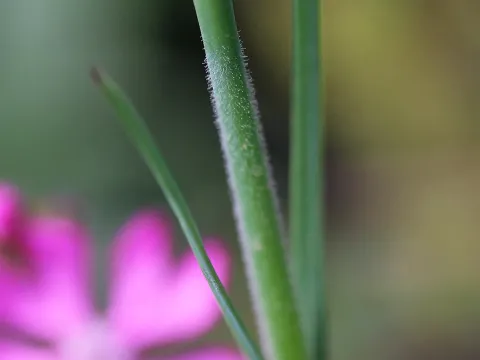
Silene chaetodonta
Silene chaetodonta
Silene chaetodonta is a perennial herbaceous plant belonging to the Caryophyllaceae family. Its natural origin is associated with the mountainous terrains of Central Asia and Iran, where it has evolved to thrive in high-altitude, rocky environments with significant climatic fluctuations.
What the section contains
Silene chaetodonta
This species prefers well-drained, sandy, or gravelly soils with a neutral to slightly alkaline reaction. It is highly valued for its drought tolerance, making it a suitable candidate for cultivation in arid regions where water resources are restricted and standard agricultural crops struggle to survive.
Optimal growth is achieved in open, sunny locations with excellent air circulation. The plant requires significant sunlight to promote the development of its characteristic flowers and to maintain the concentration of phytochemical compounds within its tissues.
The climate requirements include a period of winter dormancy and a warm, dry summer. Silene chaetodonta is resilient to wide daily temperature ranges, an adaptation inherited from its native mountain habitats, which allows it to withstand both cold nights and hot days.
From an agricultural standpoint, the plant is being explored for its potential in secondary raw material production. Its biochemical composition, particularly the presence of triterpene saponins, positions it as a niche crop for the pharmaceutical and cosmetic industries.
The primary threats to Silene chaetodonta cultivation are soil-borne fungal pathogens, especially in areas with poor drainage. Waterlogging is detrimental to the root system and quickly leads to root rot, which is the most frequent cause of crop loss.
Insect pests, particularly caterpillars and aphids, can cause substantial damage to the foliage and developing buds during the peak growing season. Integrated pest management (IPM) practices are recommended to minimize damage while preserving plant quality.
Weed competition is particularly aggressive during the germination and rosette stages of the plant. Maintaining weed-free conditions during the early phase of development is crucial to ensure that the young seedlings can establish a strong root system without resource limitation.
Powdery mildew may occur during periods of high humidity or in dense, overcrowded plantings where air circulation is insufficient. Thinning the plants to the recommended spacing is an effective preventive measure to maintain foliage health and reduce pathogen transmission.
Mites can emerge as a concern during prolonged periods of drought and high temperatures, leading to stunted growth. Monitoring the underside of leaves for signs of infestation is essential, and timely intervention with biological controls can prevent extensive damage to the crop.